
High Thermal Conductivity vs. Microporous Carbon Blocks: How to Choose?
Choosing the right material for your industrial furnace lining is a critical decision, and often, the options, particularly high thermal conductivity carbon blocks and microporous carbon blocks, can seem similar yet vastly different. If you're grappling with this choice, you're not alone. The challenge lies in understanding their distinct roles to maximize furnace performance and longevity.
Choosing between high thermal conductivity and microporous carbon blocks isn't about finding a universally "better" material; it's about precisely matching their unique performance characteristics to your furnace's specific cooling requirements, energy efficiency objectives, and long-term operational durability goals. My experience working with clients has consistently shown that the optimal selection hinges on a thorough understanding of these trade-offs.
So, how do you navigate these options to ensure you're making the most informed decision for your operation? Let's dive deeper into what makes each type of carbon block unique and how your operational priorities should guide your selection process.
What Are High Thermal Conductivity Carbon Blocks Best For?
When considering materials for demanding furnace environments, are high thermal conductivity carbon blocks always the first choice? Many of my clients initially lean towards them, particularly when facing intense heat flux. However, understanding their primary application is key to leveraging their benefits without misapplying them.
High thermal conductivity carbon blocks are specifically designed to efficiently transfer heat away from critical areas within the furnace. They excel in applications requiring rapid heat dissipation to protect the furnace structure, especially the crucial steel shell, from excessive temperatures and potential damage.
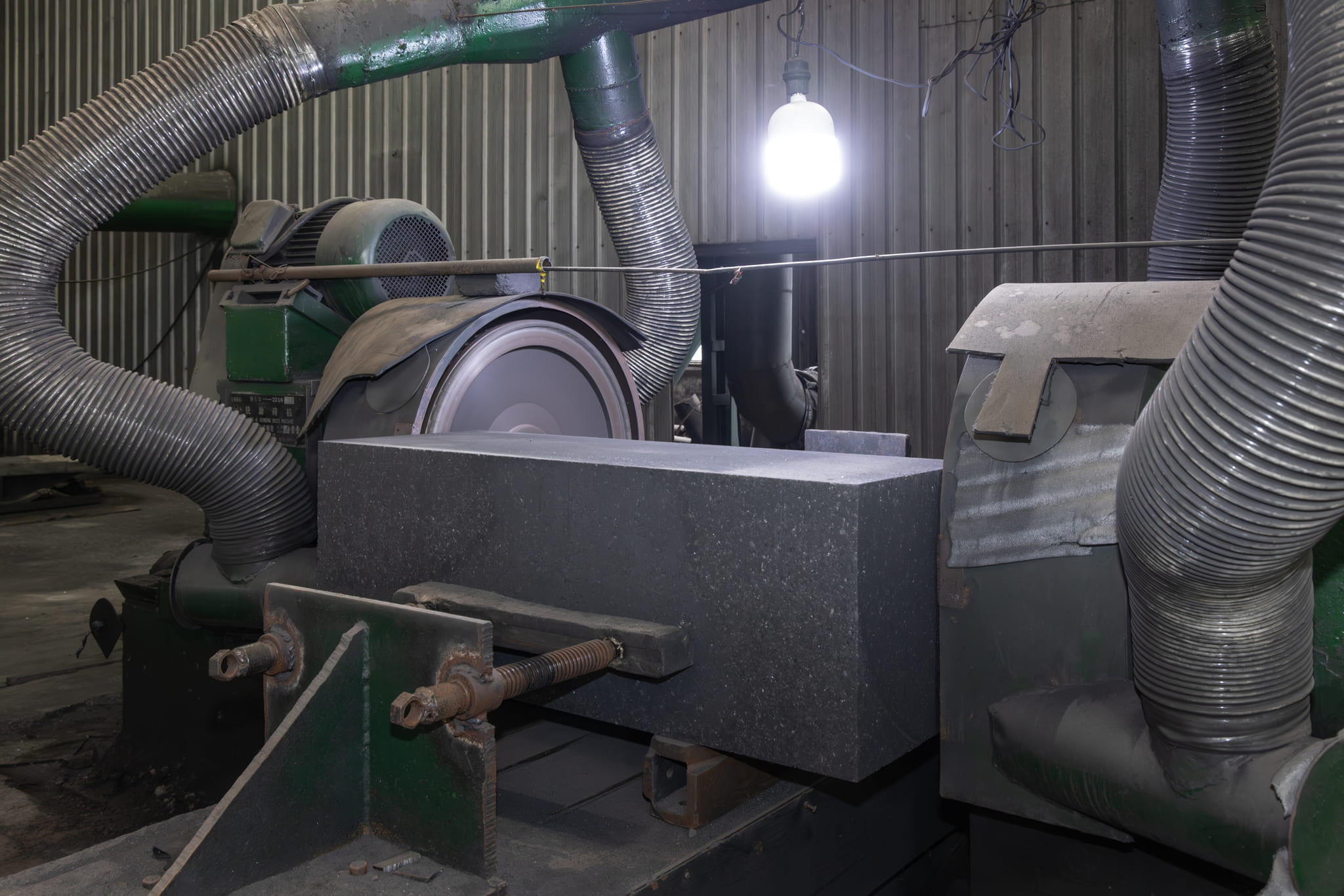
In my years of working with various furnace designs, I've seen firsthand how crucial effective heat management is for the longevity of a blast furnace. High thermal conductivity carbon blocks, often made from graphite or semi-graphite materials1, are excellent at this. Their internal structure allows for heat to move quickly through the material, away from the hot zone, and towards cooling systems. This property is particularly vital in the hearth and crucible areas of large industrial furnaces, such as blast furnaces, where temperatures are extreme and the risk of refractory erosion or "elephant foot" formation2 is high.
Enhancing Furnace Hearth Integrity
The primary role of these carbon blocks in areas like the hearth bottom and sidewalls is to create a pathway for heat to be extracted. By facilitating efficient heat removal, they prevent localized overheating and maintain a stable temperature gradient across the lining. This actively contributes to:
- Preventing Hot Spots: Localized areas of extreme temperature can lead to premature wear and failure. High thermal conductivity blocks distribute heat more evenly, mitigating this risk.
- Protecting the Steel Shell: By drawing heat away from the hot face, these blocks safeguard the external steel shell of the furnace from thermal stress and degradation, which could otherwise lead to costly repairs or even catastrophic failure.
- Stabilizing the Hearth: A stable hearth temperature promotes the formation of a protective "skull" layer, further extending the refractory lining's life.
When we at Yaxin Carbon recommend high thermal conductivity blocks, it's typically for these critical zones where active cooling is paramount. Our semi-graphitic and graphitic carbon blocks are engineered to provide superior performance in these conditions, helping our customers maintain operational stability and extend furnace campaigns. However, it's important to remember that while they dissipate heat effectively, this also means more heat is lost from the furnace system if not managed properly, which can have energy implications. This is where the balance between cooling and insulation becomes a complex, yet critical, consideration.
Why Consider Microporous Carbon Blocks for Furnace Linings?
Often, when I discuss furnace lining materials with procurement managers, the focus quickly shifts to heat resistance. But what if the primary goal isn't just resisting heat, but actively keeping it inside the furnace? This is where understanding the unique advantages of microporous carbon blocks becomes incredibly valuable.
Microporous carbon blocks are specialized refractory materials designed to offer superior thermal insulation. Their finely engineered, uniform pore structure effectively traps gases, significantly inhibiting heat transfer3 and thereby reducing heat loss from the furnace system, leading to substantial energy savings and enhanced operational stability.
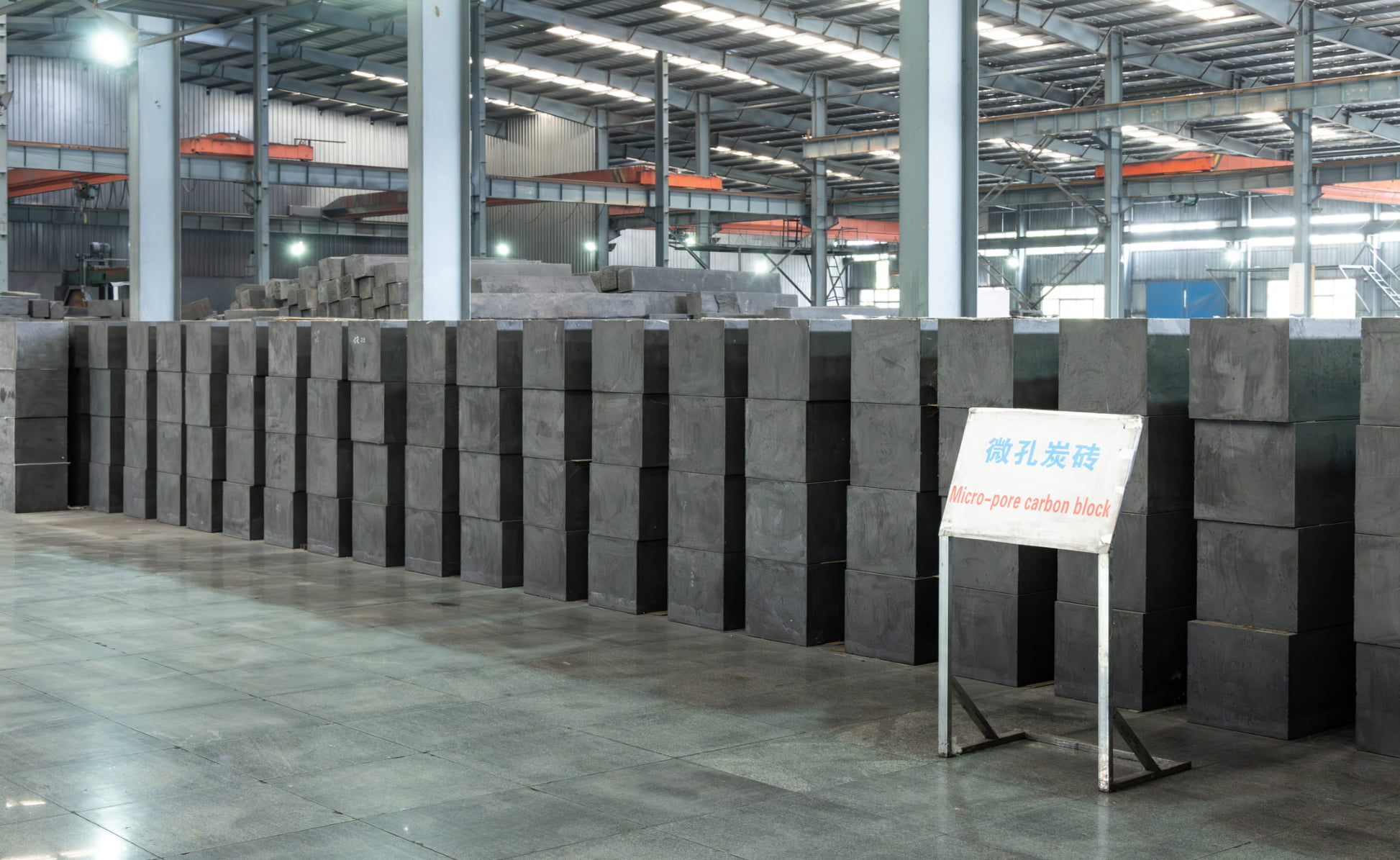
In my conversations with engineers and operators, I've found that the "microporous" aspect is sometimes misunderstood. It’s not just about having pores; it’s about having a controlled, fine, and uniform pore structure that maximizes insulating properties. This is achieved through precise manufacturing processes that Yaxin Carbon has refined over years. These tiny, interconnected pores essentially create countless miniature air pockets within the material. Since air (or any gas trapped within these pores) is a poor conductor of heat, the overall thermal conductivity of the block is drastically reduced.
Driving Energy Efficiency and Extending Lifespan
The benefits of integrating microporous carbon blocks into your furnace lining design are significant, particularly for long-term operational costs and overall furnace health:
- Significant Energy Savings: By minimizing heat escaping through the furnace walls, microporous blocks contribute directly to a more energy-efficient operation. This translates into lower fuel consumption and reduced utility bills, which for large industrial furnaces, can represent substantial cost savings over time. I've observed that while the initial cost might be higher than some conventional refractories, the payback period from energy savings can be remarkably short.
- Stable Thermal Gradients: These blocks help maintain a more consistent temperature within the furnace and protect the outer layers from thermal shock. This stability reduces stress on the entire refractory structure, thereby extending the overall lifespan of the lining.
- Protection of Adjacent Materials: By acting as an effective thermal barrier, microporous blocks shield less heat-resistant refractory layers or the furnace shell from direct thermal exposure. This layered approach, often seen in our projects for high-performance furnace linings, enhances the integrity and durability of the entire system.
- Enhanced Safety: A cooler outer shell temperature, thanks to superior insulation, also improves safety conditions for personnel working near the furnace.
At Yaxin Carbon, our microporous carbon bricks are developed specifically to meet these demands for energy-saving, long-life furnace linings. They are a cornerstone of our offerings for customers looking to optimize their furnace performance not just in terms of output, but also efficiency and sustainability. Understanding that sometimes the best way to manage heat isn't to dissipate it, but to contain it, is a crucial insight for effective material selection.
How Do Operational Goals Influence Your Carbon Block Choice?
When I speak with customers, one of the first questions I ask is about their primary operational goals. Are they aiming for maximum production output, extending campaign life, or achieving energy savings? The answer to these questions profoundly impacts whether carbon block materials with high thermal conductivity or microporous structures are the right fit. It's never a one-size-fits-all scenario.
Your choice of carbon block must align precisely with your furnace's specific cooling requirements, energy efficiency targets, and desired operational lifespan. Without this alignment, even the highest quality material can perform suboptimally, leading to unexpected costs or reduced performance.
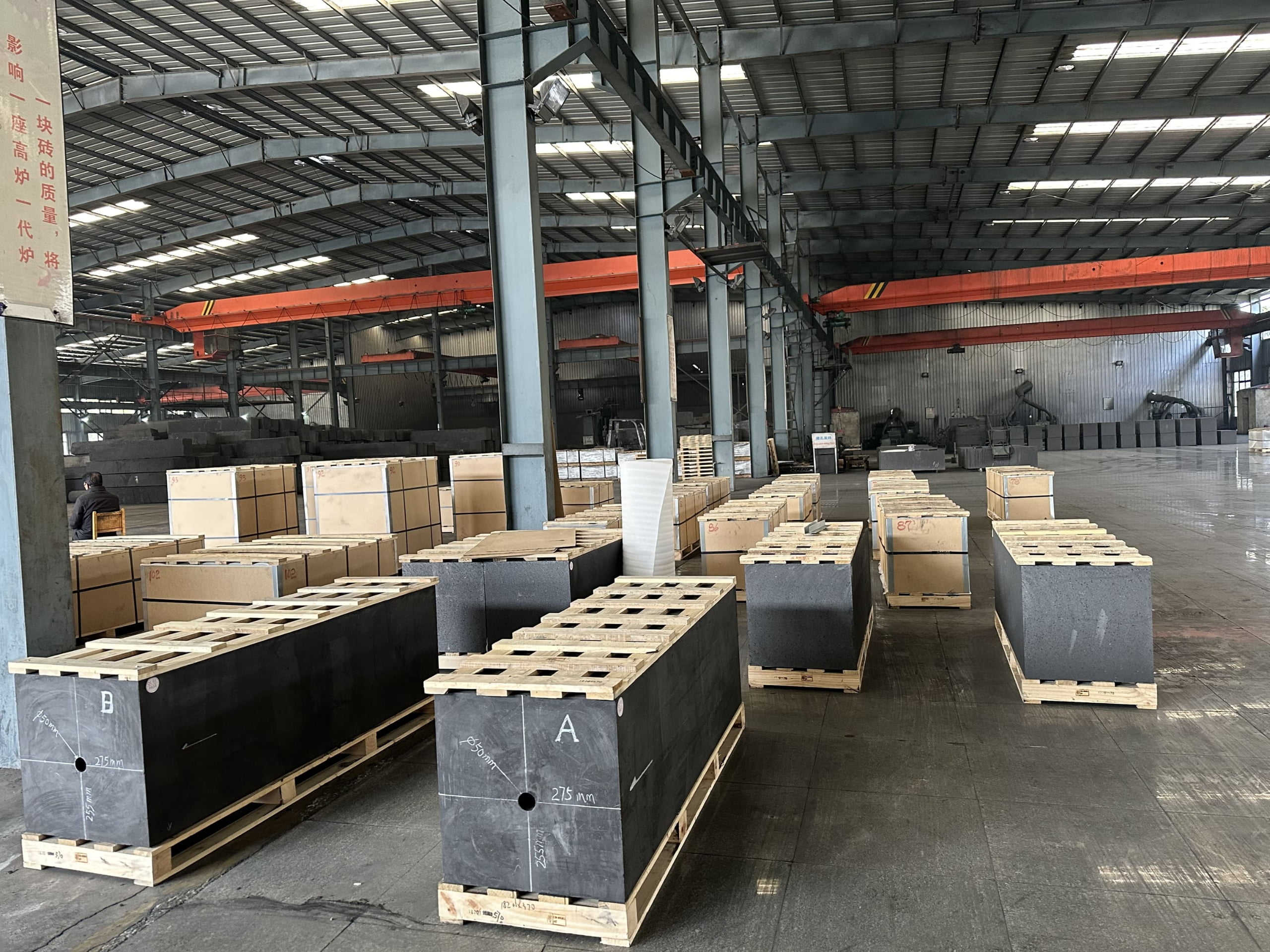
My experience has shown that simply defaulting to what has always been used, or what seems intuitively "strongest," often overlooks the nuances of modern refractory engineering. The real value comes from a strategic, application-specific material selection process.
Cooling vs. Insulation Priorities
One of the most fundamental trade-offs lies between active cooling and passive insulation.
- High Thermal Conductivity Blocks are ideal for zones requiring aggressive heat removal. Think of the critical hearth bottom of a blast furnace, where intense heat needs to be quickly channeled away from the iron bath to the cooling staves. Here, a material like our graphitic carbon blocks ensures that the hot metal doesn't penetrate the lining and damage the outer shell, which is paramount for safety and preventing furnace breakdowns.
- Microporous Carbon Blocks shine in areas where heat containment is the priority. For instance, in the outer layers of a furnace lining, or in areas away from the most intense heat flux, these blocks significantly reduce radiative and convective heat loss. This not only saves energy but also helps maintain a more uniform temperature distribution throughout the refractory structure, reducing thermal stress and extending the life of the entire lining system.
Energy Efficiency and Operational Costs
The long-term financial implications of your material choice are immense.
- Microporous blocks directly contribute to substantial energy savings by preventing heat escape. While their initial investment might be higher, the continuous reduction in fuel costs often leads to a quick return on investment, especially for furnaces operating continuously. My observation is that customers who focus on total lifecycle costs, rather than just upfront price, almost always consider microporous options.
- While High Thermal Conductivity Blocks might seem to "waste" heat, their role in preventing catastrophic failures and extending furnace campaigns through structural integrity indirectly contributes to cost savings by reducing downtime and maintenance expenses. The balance is in using them strategically where critical cooling is non-negotiable.
Durability and Lifespan Expectations
Both types of carbon blocks contribute to furnace durability, but in different ways:
- High Thermal Conductivity Blocks enhance structural integrity by managing heat flux, thus preventing thermal degradation of the primary lining and steel shell, which can prolong the furnace's overall lifespan.
- Microporous Blocks extend lining life by protecting the overall structure from excessive thermal cycling and stress, and by reducing the operating temperature of the outer layers, making the entire system more robust.
Here’s a simplified comparison to help guide your thought process:
| Feature | High Thermal Conductivity Carbon Blocks | Microporous Carbon Blocks |
|---|---|---|
| Primary Function | Rapid Heat Dissipation | Thermal Insulation |
| Key Benefit | Prevents Hot Spots, Protects Steel Shells | Reduces Heat Loss, Energy Savings |
| Typical Placement | Hearth Bottom, Cooler Zones, Active Cooling Areas | Outer Lining Layers, Insulating Zones |
| Thermal Conductivity | High (e.g., 20-50 W/m·K4) | Low (e.g., 0.5-5 W/m·K) |
| Energy Impact | Potentially higher overall heat loss (uninsulated) | Significant energy savings |
| Structural Impact | Enhances integrity by managing heat flux | Protects adjacent materials from thermal stress |
| Cost Driver | Preventing failure, maximizing uptime | Reducing energy consumption, extending campaign |
This table, compiled from years of helping diverse clients across 500+ blast furnaces, highlights that the "best" material is always contextual. It's about building a robust, efficient, and long-lasting furnace lining solution tailored to your specific demands.
What Should You Look for in a Carbon Block Supplier?
After understanding the distinct properties of high thermal conductivity carbon blocks and microporous carbon blocks, the next crucial step is selecting the right partner. Product specifications are just one piece of the puzzle; the supplier's capabilities, reliability, and expertise are equally, if not more, important.
Beyond merely checking product specifications, a reliable carbon block supplier should offer comprehensive technical support, demonstrate a proven track record through successful installations, and hold relevant quality certifications. This holistic approach ensures you receive not just materials, but a solution optimized for your specific furnace and operational challenges.
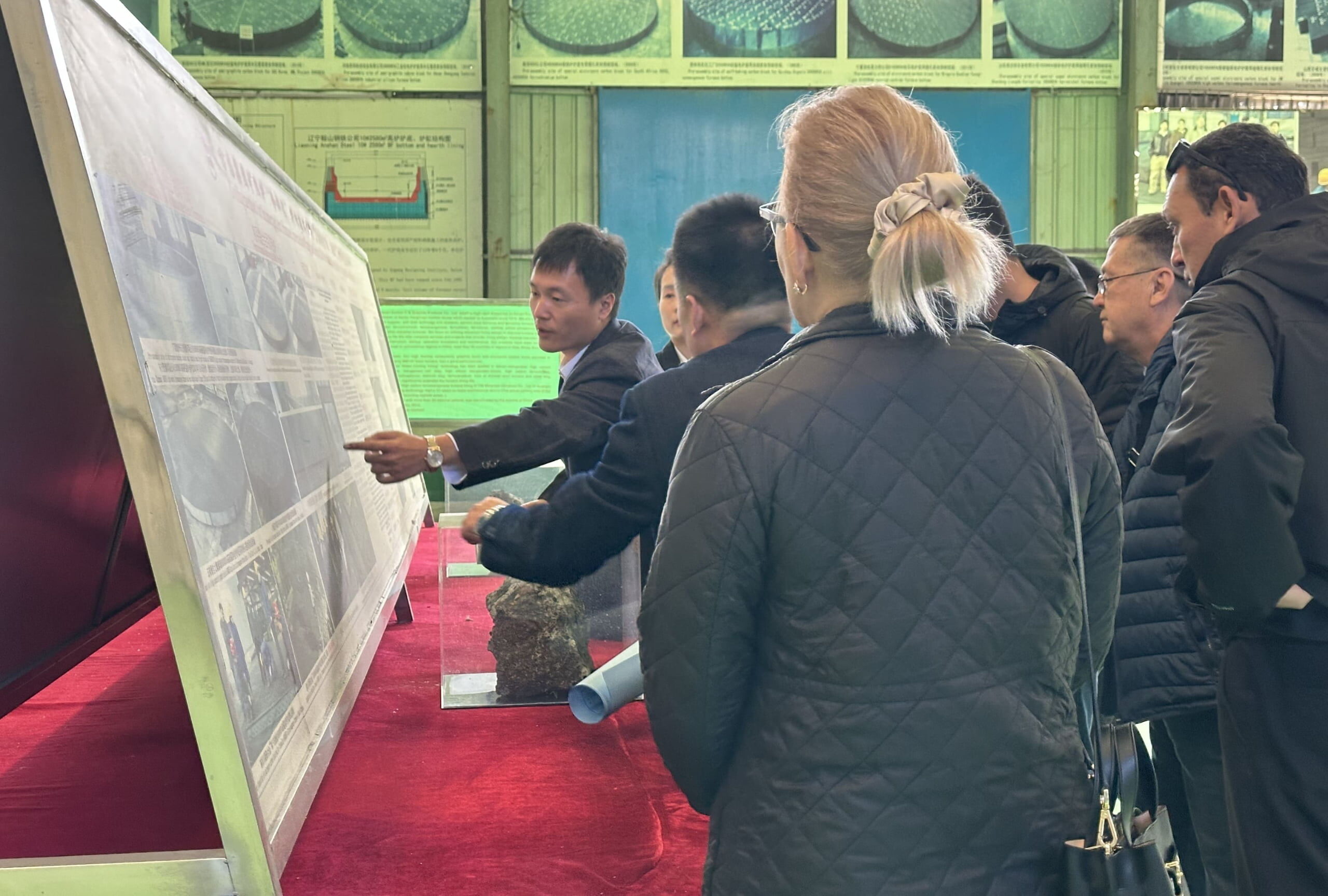
My experience at Yaxin Carbon has shown me that our role extends far beyond manufacturing. We engage deeply with our clients to understand their unique needs, which is why choosing a supplier goes beyond a simple transaction.
Technical Expertise and Customization
Look for a supplier with deep technical knowledge and the ability to customize solutions.
- Application-Specific Understanding: Does the supplier understand the intricacies of your furnace design—whether it's a blast furnace, reduction furnace, or industrial kiln? Can they articulate how their high thermal conductivity or microporous carbon blocks will perform in your specific temperature profiles and operational stresses?
- Problem-Solving Capability: A strong supplier acts as a consultant. When I work with clients, I often hear about unique challenges. Our ability to tailor carbon block dimensions, shapes, and even compositions, ensures that the material fits perfectly into the existing furnace structure and meets specific performance requirements. Yaxin Carbon, as one of China's premier carbon block production bases, has applied its expertise across 500+ blast furnaces, adapting our offerings from 300 to 5800 cubic meters.
Quality Assurance and Certifications
Quality is non-negotiable, especially for critical furnace lining materials.
- Consistent Manufacturing Standards: Inquire about their manufacturing processes and quality control. At Yaxin Carbon, we are an ISO 9001 certified company, which means our processes, from raw material sourcing to final product testing, adhere to stringent international standards. This certification isn't just a badge; it's a commitment to consistent product quality and reliability, which is vital for the safety and performance of your furnace.
- Traceability and Testing: A reputable supplier should provide comprehensive data sheets and be able to trace batches, ensuring accountability and consistent performance. Our commitment to high-quality carbon block production is backed by rigorous testing.
Global Experience and Support
For international operations, a supplier's global reach and support network are invaluable.
- International Project Experience: Can the supplier support installations and provide technical assistance in diverse geographical locations? Our products are not only widely used in China but also exported to countries like India, Indonesia, Pakistan, the Middle East, and South Africa. This international experience provides us with a broader understanding of various operational environments and logistical challenges.
- Post-Sales Support: The relationship shouldn't end after delivery. Look for a partner who offers ongoing support, troubleshooting, and advice throughout the furnace campaign.
Choosing the right supplier for your high thermal conductivity or microporous carbon blocks is an investment in your furnace's future. It’s about partnering with a company that not only provides superior products but also offers the technical expertise and support to ensure optimal, long-lasting performance.
Frequently Asked Questions
Can high thermal conductivity and microporous carbon blocks be used together in a furnace?
Yes, absolutely. They are often strategically layered within a furnace lining to optimize performance. For instance, high thermal conductivity blocks might be used closer to the hot zone for active cooling, while microporous blocks form an outer insulating layer to reduce heat loss and improve overall energy efficiency. This combination balances rapid heat dissipation with effective insulation.
What's the main driver for choosing microporous carbon blocks over others?
The primary driver for selecting microporous carbon blocks is their superior thermal insulation capability. They significantly reduce heat loss from the furnace, leading to substantial energy savings and a more stable thermal environment. This ultimately extends the overall lining lifespan and reduces operational costs in the long run.
Are high thermal conductivity blocks always better for the furnace hearth?
Not always, though they are crucial for critical cooling. While high thermal conductivity blocks are essential in the hearth to dissipate intense heat and protect the steel shell, an optimal hearth design often incorporates a combination of high thermal conductivity materials with insulating layers. This balanced approach ensures both structural integrity and minimized heat loss.
How does Yaxin Carbon ensure the quality of its carbon blocks?
At Yaxin Carbon, we ensure the quality of our carbon blocks through strict adherence to ISO 9001 quality management system standards. This includes rigorous selection of raw materials, advanced manufacturing processes, and comprehensive quality control testing at every stage. As a high-tech enterprise, our commitment to consistent, high-performance products is paramount.
Conclusion
Deciding between high thermal conductivity carbon blocks and microporous carbon blocks isn't about identifying a single "superior" material; it's about making an informed, strategic choice tailored to your specific furnace and operational objectives. As we've explored, high thermal conductivity blocks excel at rapid heat dissipation, crucial for protecting critical zones, while microporous blocks offer unparalleled thermal insulation, driving significant energy savings and extending lining life. The most effective furnace linings often integrate both, leveraging their distinct strengths.
Ultimately, your choice should align with whether your priority is active cooling to prevent hot spots, or passive insulation to maximize energy efficiency and overall refractory longevity. For expert guidance in navigating these critical decisions and to find the ideal carbon block solution for your unique furnace requirements, I invite you to reach out to our team at Yaxin Carbon. We are here to partner with you, ensuring your industrial furnace operates at its peak performance and efficiency.
"Toward highly thermally conductive all-carbon composites", https://www.sciencedirect.com/science/article/abs/pii/S0008622316307151. A source on refractory materials can confirm that high thermal conductivity carbon blocks are commonly produced using graphite and semi-graphite as base materials due to their crystalline structure, which facilitates efficient heat transfer. Evidence role: general_support; source type: paper. Supports: that high thermal conductivity carbon blocks are typically manufactured from graphite or semi-graphite materials.. ↩
"Wear mechanism for blast furnace hearth refractory lining", https://www.academia.edu/5459565/Wear_mechanism_for_blast_furnace_hearth_refractory_lining. Research on blast furnace refractory wear defines 'elephant foot' formation as a specific pattern of erosion and wear in the hearth, often caused by intense thermomechanical stress and chemical attack, which can compromise the furnace lining. Evidence role: definition; source type: research. Supports: the definition and cause of 'elephant foot' formation in blast furnaces.. ↩
"Influence of Pore Size Variation on Thermal Conductivity of ...", https://pmc.ncbi.nlm.nih.gov/articles/PMC6630399/. Research in materials science confirms that the fine, interconnected pores within microporous materials trap gas molecules, which have low thermal conductivity, thereby disrupting heat transfer pathways (conduction, convection, and radiation) and significantly lowering the material's overall thermal conductivity. Evidence role: mechanism; source type: research. Supports: the mechanism by which a microporous structure inhibits heat transfer.. ↩
"Studies of Thermal Conductivity of Graphite Foil-Based ... - PMC", https://pmc.ncbi.nlm.nih.gov/articles/PMC11766528/. Material data sheets and technical literature on refractory materials report the thermal conductivity of high-conductivity grade carbon and graphite blocks to be in the range of approximately 20 to 50 W/(m·K), depending on the specific grade and manufacturing process. Evidence role: statistic; source type: paper. Supports: the typical thermal conductivity range for high-conductivity carbon blocks.. ↩