
What Is Graphite and Why Is It Important in Refractories?
Choosing the right refractory lining for a high-temperature furnace feels like a high-stakes decision, because it is. A mistake can lead to premature failure, costly production halts, and significant safety risks. Many people believe that simply using "graphite" is the answer, but this oversimplification is dangerous. Understanding the true role of graphite in refractories is the first step toward safeguarding your operations and maximizing furnace lifespan.
The importance of graphite in refractories lies not in its mere presence, but in how its specific properties—like superior thermal conductivity and chemical inertness1—are leveraged. The key is selecting the correct grade of graphite or carbon-based material to withstand the unique temperature, chemical, and mechanical stresses of a specific furnace zone. This makes the selection process a critical technical decision, not just a procurement task.
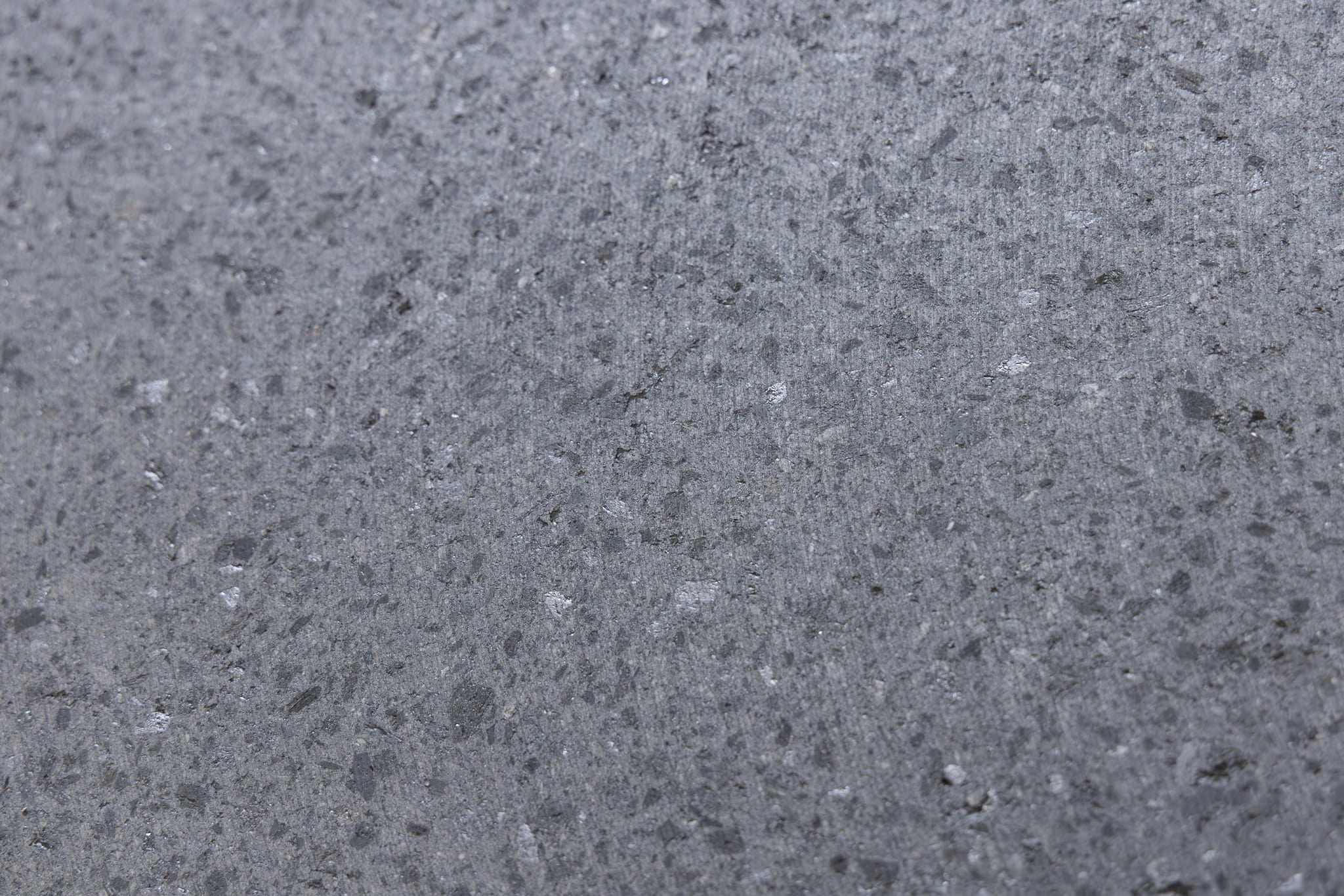
Now that we have a clear, top-level answer, let's unpack it. The term "graphite" is often used as a catch-all, but in the world of refractories, it represents a spectrum of materials with vastly different properties and price points. Understanding these differences is what separates a successful furnace campaign from a failed one.
Aren't All Carbon-Based Refractories the Same?
You might be reviewing several technical data sheets, seeing terms like "semi-graphite," "graphite," and "micropore carbon block." They all seem similar, but choosing one over the other feels like a guess. This uncertainty is risky, as the wrong material can compromise your entire furnace lining from day one.
The answer is no, they are fundamentally different. The primary distinctions arise from the raw materials used and, most importantly, the graphitization temperature during manufacturing. This thermal processing dictates the material's final crystal structure, purity, and thermal properties, which in turn determine its performance and cost.
Dive Deeper: From Raw Carbon to Crystalline Graphite
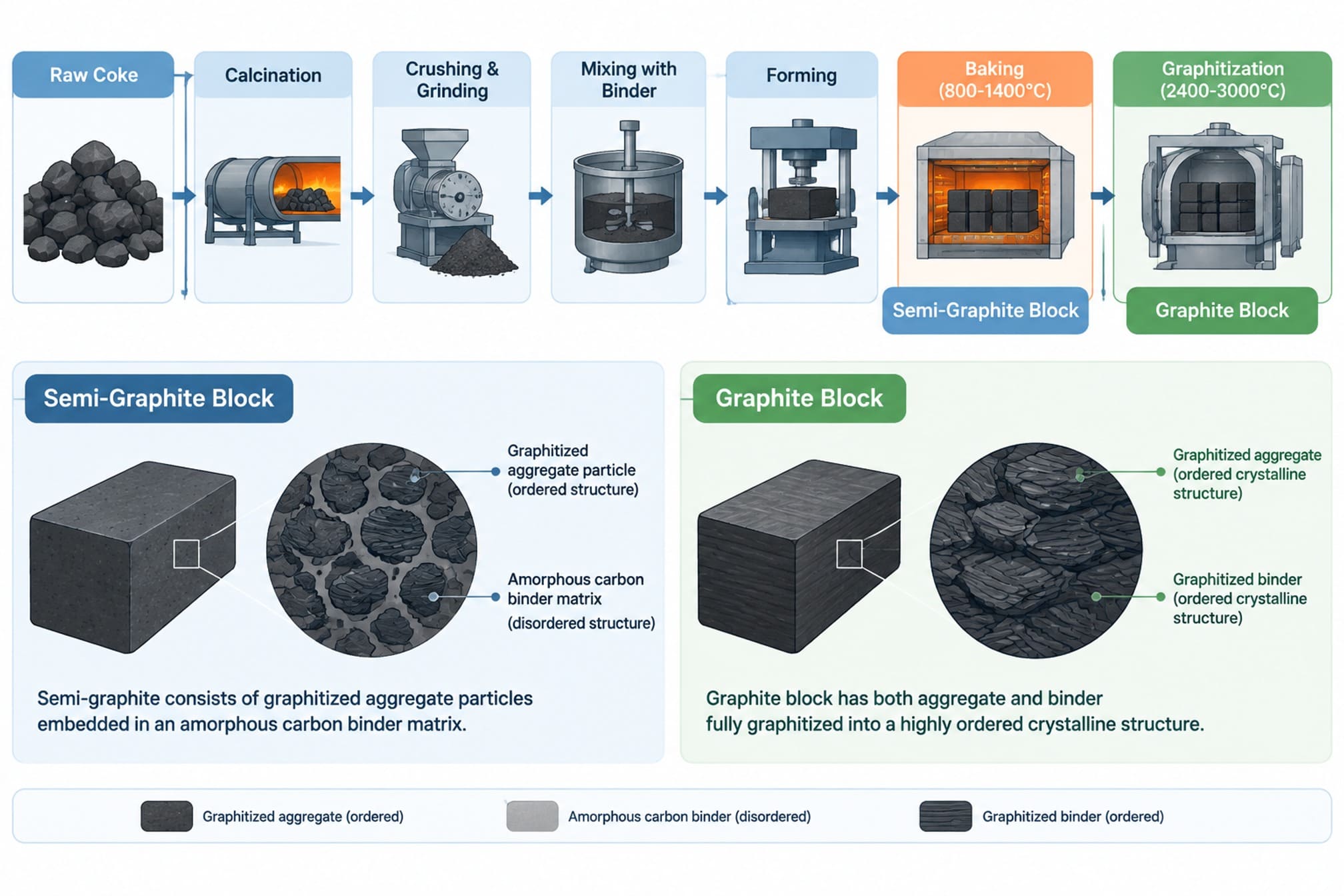
At its core, a refractory carbon block starts with carbonaceous raw materials, such as high-quality calcined anthracite or petroleum coke. These materials are crushed, milled, mixed with a binder (typically coal tar pitch), formed into blocks, and then baked at around 1000-1200°C. At this stage, you have a hard, amorphous carbon block. It’s strong but lacks the elite properties of graphite.
The magic happens in the next, optional step: graphitization.
This is an energy-intensive process where the baked carbon blocks are heated in a special furnace to extreme temperatures, often exceeding 2500°C2. At these temperatures, the disordered, amorphous carbon atoms rearrange themselves into the ordered, hexagonal crystalline lattice structure that defines graphite. This transformation fundamentally changes the material's properties.
H3: Semi-Graphite vs. Full-Graphite: A Deliberate Trade-Off
Not all materials are fully graphitized. As a manufacturer, we make deliberate choices based on the intended application. This is where the distinction between semi-graphite and graphite becomes critical for you as a buyer.
- Semi-Graphite Carbon Blocks: These are produced by heating the material to an intermediate temperature, causing partial graphitization. The result is a hybrid material that balances performance and cost. It has better thermal conductivity and chemical resistance than a standard amorphous carbon block but doesn't reach the peak performance (or cost) of a fully graphitized block. I've often seen these specified for furnace zones with moderate heat loads and chemical attack, where full graphite would be overkill.
- Graphite Carbon Blocks: These undergo the full graphitization process. The resulting highly crystalline structure gives them exceptional thermal conductivity and superior resistance to chemical corrosion and thermal shock. This premium performance comes at a higher cost due to the immense energy required for production. These are reserved for the most demanding applications, like the hearth and bottom of a modern blast furnace.
Here is a simplified comparison based on what we see in our production and quality control data:
| Feature | Semi-Graphite Block | Graphite Block | Why It Matters |
|---|---|---|---|
| Graphitization Temp. | 1600-2000°C | >2500°C | Higher temperature creates a more ordered, pure graphite structure. |
| Thermal Conductivity | Good (e.g., 8–15 W/m·K) | Excellent (e.g., 15–50+ W/m·K) | Critical for dissipating heat in high-temperature zones. |
| Ash Content (Impurities) | Low (<8%) | Very Low (<5%) | Lower ash means fewer points for chemical attack to begin. |
| Primary Application | Bosh, lower stack of blast furnaces | Hearth and bottom of blast furnaces | Matches performance requirements to the specific zone's stress. |
| Relative Cost | Moderate | High | The graphitization process is a major cost driver. |
Choosing between them isn't about picking the "best" one, but the most appropriate one for a given thermal and chemical environment.
How Does a Furnace's Environment Dictate the Choice of Graphite in Refractories?
You know that different grades of carbon refractories exist, but the real challenge is matching them to your specific furnace. A material that performs brilliantly in one zone could fail catastrophically in another. Applying a one-size-fits-all approach is a recipe for disaster.
The furnace environment—defined by its temperature profile, chemical agents (like liquid metal, slag, and alkalis), and thermal cycling—is the ultimate guide. The ideal properties for a refractory lining change dramatically from one zone to another. Therefore, the strategic selection of graphite in refractories is entirely zone-specific and application-dependent.
Dive Deeper: A Tale of Three Zones
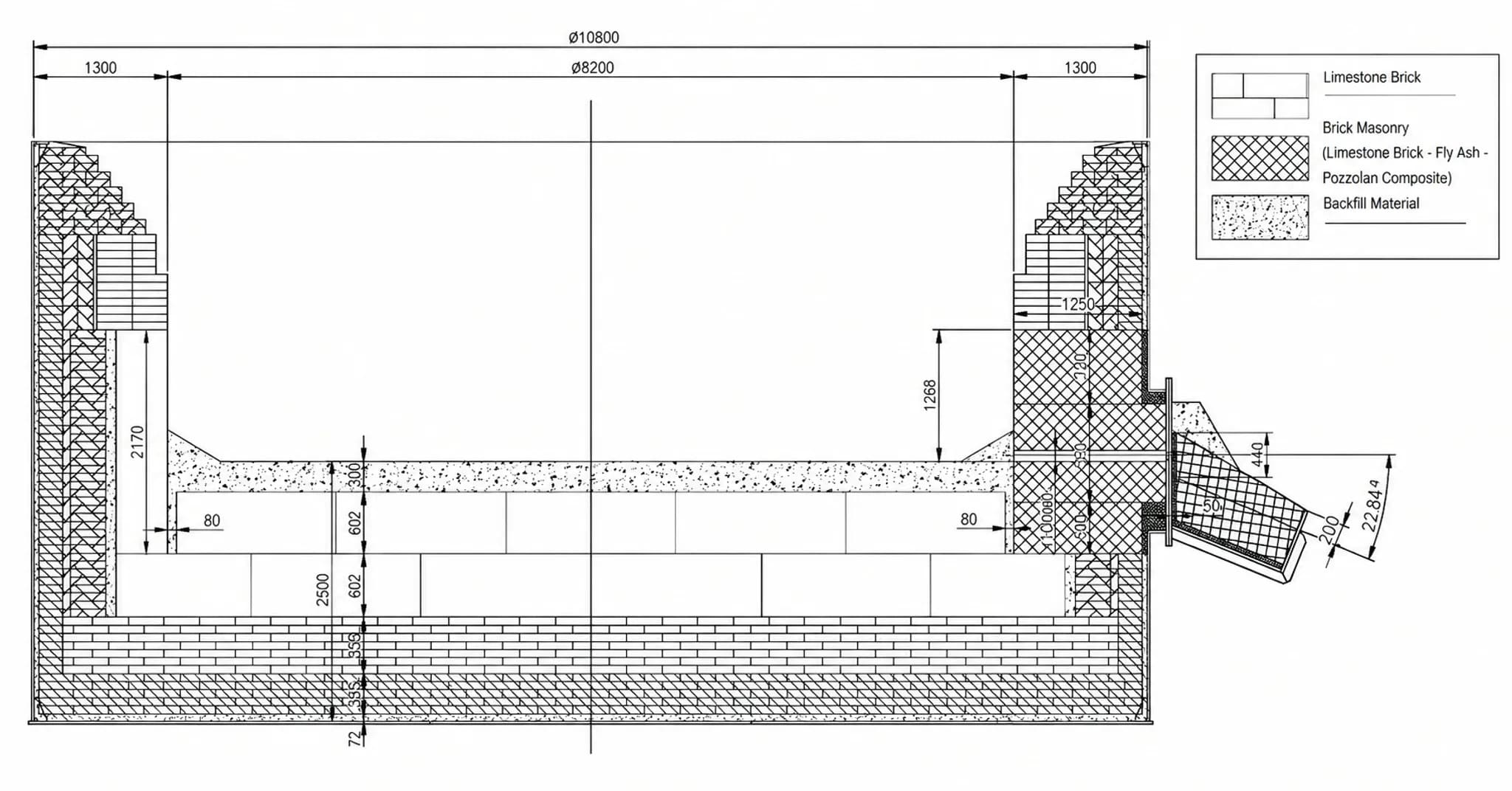
Let's use a blast furnace as a classic example. The conditions inside are not uniform. The bottom (hearth) and the top (stack) are like two different worlds, and they demand completely different material solutions.
H3: The Hearth and Bottom: A Battle Against Extreme Heat
The hearth is where molten iron and slag collect at temperatures exceeding 1500°C.3 The single most important job of the refractory here is to manage this intense heat and prevent it from destroying the furnace shell.
This is where high-purity, high-conductivity graphite blocks are non-negotiable. The exceptional thermal conductivity of the graphite pulls heat away from the hot face of the lining so effectively that it causes a layer of molten material to solidify against it. This solidified "skull" or "elephant's foot" becomes the ultimate wear-resistant layer, protecting the carbon blocks behind it.4 A lower-conductivity material would not be able to create and maintain this protective layer, leading to rapid erosion of the refractory itself. In my work at Yaxin Carbon, I've analyzed post-campaign samples, and the difference is stark: furnaces lined with high-conductivity graphite consistently show a more stable, protective skull and a healthier hearth profile after years of operation.
H3: The Bosh and Stack: Fighting a Chemical War
As you move up the furnace into the bosh and stack regions, the temperature decreases, but a new enemy emerges: chemical attack. Hot gases carrying volatile alkali compounds (potassium and sodium) rise through the furnace. These alkalis are like poison to many refractories.5 They penetrate the pores of the bricks, where they react with the material (especially impurities), condense, and cause massive internal stress. This leads to swelling, cracking, and ultimately the disintegration of the lining.
In these zones, while thermal properties are still relevant, the focus shifts to chemical resistance. The key is to deny the alkalis a path into the refractory. This is why micropore and ultra-micropore carbon blocks are so effective here. These materials are engineered to have a very fine and poorly interconnected pore structure. While they still contain carbon and semi-graphitic components for thermal stability, their primary defense is physical. The tiny pores (often less than 1 micron) make it physically difficult for the large alkali molecules to penetrate deep into the brick.6 Here, the choice of graphite in refractories is less about maximizing thermal conductivity and more about optimizing the structure for chemical resilience.
In summary, the needs of each zone are distinct:
- Hearth & Bottom: Priority is heat management. Requires high-purity, high-thermal-conductivity graphite to form a protective solidified layer.
- Bosh: A transition zone. Requires a balance of good thermal shock resistance and alkali resistance. Semi-graphite blocks are often a good fit.
- Stack: Priority is chemical defense. Requires high alkali resistance and abrasion resistance. Micropore carbon blocks are the specialized solution here.
What Technical Specs Matter Most for Graphite in Refractories?
You have a stack of Technical Data Sheets (TDS) in front of you, each filled with numbers for density, strength, and conductivity. It’s tempting to just compare the numbers and pick the "highest" or "best" values. But this approach is flawed and can lead you to select a material that is completely wrong for your application.
The most critical technical specifications are those that directly predict performance and mitigate risk in your furnace's specific environment. For graphite in refractories, I always advise clients to focus on three key areas: thermal conductivity, ash content, and porosity/permeability. However, these numbers are meaningless without the proper context.
Dive Deeper: Reading Between the Lines of a Spec Sheet
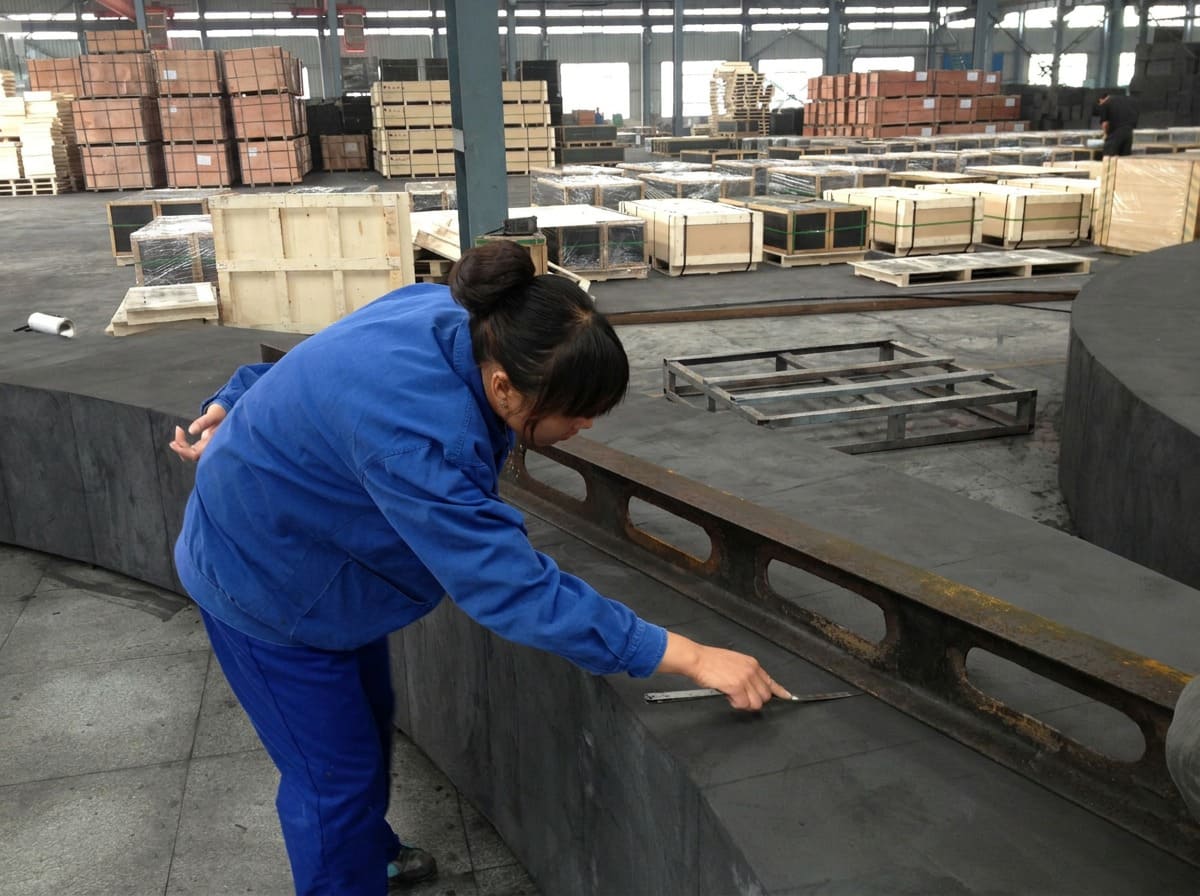
A spec sheet is a starting point, not a final answer. A knowledgeable buyer learns to ask the right follow-up questions to understand what the numbers truly mean.
H3: Thermal Conductivity: It's a Curve, Not a Point
A TDS might state a thermal conductivity of "20 W/m·K." This looks great, but the crucial question is: "At what temperature was this value measured?" A material's ability to conduct heat changes significantly with temperature. Some materials perform well at room temperature but become poor conductors at the 1400°C operating temperature of a furnace.
When we evaluate materials in our lab, we don't just take one measurement. We generate a thermal conductivity curve across a wide range of temperatures. You should always ask a potential supplier for this curve. This data allows you to see how the material will actually behave under your specific operating conditions, which is far more valuable than a single, often misleading, marketing number.
H3: Ash Content: The Hidden Enemy Within
Ash is the sum of all the inorganic impurities in a carbon block—minerals like silica (SiO₂), alumina (Al₂O₃), and iron oxide (Fe₂O₃). These are the non-carbon components left over from the raw materials. In the high-temperature, chemically aggressive environment of a furnace, ash is the enemy.
These impurities are the weak points. They have lower melting points than carbon and are the first things to react with alkalis or slag. High ash content essentially provides a built-in roadmap for the destruction of your refractory lining. For a critical application like a blast furnace hearth, the ash content should be extremely low—ideally below 5%.7 A responsible supplier, one who stands by their quality like we do at Yaxin Carbon under our ISO 9001 system, will provide a detailed chemical analysis of the ash, not just a single percentage. This shows you exactly what impurities you are dealing with.
H3: Porosity and Permeability: The Gateway for Corrosion
Porosity refers to the percentage of open space (pores) within a refractory block. Permeability describes how interconnected those pores are, creating pathways for liquids and gases to flow through. A block can be porous but have low permeability if the pores are isolated.
In the context of alkali attack, high permeability is a death sentence. It creates a superhighway for corrosive agents to penetrate deep into the refractory structure, causing it to degrade from the inside out. This is why simply looking at the "apparent porosity" number on a spec sheet isn't enough. You need to ask about gas permeability and pore size distribution. This is a more advanced question, but it's one that immediately separates a commodity producer from a technical specialist. A supplier who can provide this data understands the mechanisms of refractory wear and has designed their product to resist it.
Frequently Asked Questions
What is the difference between natural and synthetic graphite in refractories?
Natural graphite (flake or amorphous) is mined from the earth. Synthetic graphite is a man-made product created by heating carbonaceous materials to very high temperatures, as described above. For high-performance refractories like blast furnace carbon blocks, synthetic graphite is almost always used because its purity and properties can be precisely controlled during manufacturing.
How does particle size affect the performance of a graphite refractory?
Particle size and distribution are critical. A well-designed mix of coarse and fine particles helps achieve high density and low porosity in the final product. Coarse graphite grains often form the structural backbone and enhance thermal conductivity, while finer particles fill the gaps, reducing permeability and increasing resistance to chemical attack.
Why is semi-graphite carbon block a popular choice?
Semi-graphite block offers a highly effective balance of performance and cost. It provides significantly better thermal conductivity and chemical resistance than standard carbon blocks without the premium price of full-graphite blocks. This makes it an ideal, cost-effective solution for furnace zones with moderate, but still demanding, conditions.
Can I trust a supplier's ISO 9001 certification?
An ISO 9001 certification is a strong indicator that the supplier has a robust quality management system in place. It means their processes are standardized, documented, and audited. However, it is not a direct guarantee of product quality. You should view it as a prerequisite and still perform your own due diligence by asking for batch-specific test data, quality control reports, and third-party verification if necessary.
Conclusion
The role of graphite in refractories is far more nuanced than many realize. Its importance comes from a deep understanding of how different grades and properties perform under specific, punishing conditions. Moving past the generic term "graphite" and learning to differentiate between semi-graphite, full-graphite, and micropore structures is essential. By focusing on application-relevant specs like thermal conductivity curves and ash chemistry, you shift from simply buying a product to making a strategic engineering decision. This in-depth knowledge of graphite in refractories is what empowers you to ensure your furnace's long-term reliability and operational efficiency.
At Yaxin Carbon, we specialize in manufacturing a comprehensive range of carbon and graphite blocks designed for the world's most demanding industrial furnaces. If you are looking to match the right material to your unique operational challenges, I invite you to contact our technical team for a consultation.
"Graphite", https://en.wikipedia.org/wiki/Graphite. The utility of graphite in refractory materials is widely attributed to its intrinsic properties such as high thermal conductivity and chemical stability, as detailed in materials science literature on carbon-based composites. Evidence role: expert_consensus; source type: education. Supports: the fundamental properties of graphite, specifically its high thermal conductivity and chemical inertness, that make it valuable in refractory applications.. ↩
"Graphitization", https://en.wikipedia.org/wiki/Graphitization. Industrial graphitization processes commonly involve heating carbonaceous materials to temperatures exceeding 2500°C to achieve the desired crystalline structure, as documented in materials engineering texts. Evidence role: mechanism; source type: research. Supports: the typical temperature range required for the industrial graphitization process of carbon materials.. ↩
"Blast furnace", https://en.wikipedia.org/wiki/Blast_furnace. The hearth of a blast furnace is characterized by extreme temperatures, often exceeding 1500°C, where molten iron and slag accumulate, as described in metallurgical engineering texts. Evidence role: mechanism; source type: education. Supports: the typical operating temperatures and conditions within the hearth of a blast furnace.. ↩
"Elephant's Foot (Chernobyl)", https://en.wikipedia.org/wiki/Elephant%27s_Foot_(Chernobyl). The formation of a protective solidified layer, often termed 'skull' or 'elephant's foot,' in blast furnace hearths is a recognized mechanism where high thermal conductivity refractories facilitate the freezing of molten material, thereby protecting the lining. Evidence role: mechanism; source type: research. Supports: the mechanism by which a solidified 'skull' or 'elephant's foot' layer forms in blast furnace hearths due to high-conductivity refractories, providing protection.. ↩
"Blast furnace", https://en.wikipedia.org/wiki/Blast_furnace. Alkali attack, primarily from volatile potassium and sodium compounds, is a well-documented degradation mechanism for refractories in blast furnaces, leading to swelling, cracking, and material disintegration. Evidence role: mechanism; source type: research. Supports: the detrimental effect of volatile alkali compounds, such as potassium and sodium, on refractory materials in high-temperature industrial environments like blast furnaces.. ↩
"Investigation of Molten Metal Infiltration into Micropore Carbon ...", https://pmc.ncbi.nlm.nih.gov/articles/PMC8228681/. The enhanced alkali resistance of microporous carbon blocks is attributed to their fine pore structure, typically with pores less than 1 micron, which physically restricts the ingress of larger alkali molecules into the refractory matrix. Evidence role: mechanism; source type: research. Supports: the mechanism by which microporous carbon blocks, characterized by very small pore sizes, resist alkali penetration.. ↩
"(PDF) Blast furnace hearth refractory and coke ash mineral ...", https://www.researchgate.net/publication/277132719_Blast_furnace_hearth_refractory_and_coke_ash_mineral_interactions. Industry best practices and metallurgical guidelines often recommend an ash content ideally below 5% for carbon blocks in critical applications like blast furnace hearths to minimize impurity-related degradation. Evidence role: expert_consensus; source type: institution. Supports: the recommended maximum ash content for carbon blocks used in critical applications such as blast furnace hearths.. Scope note: Specific requirements may vary based on furnace design, operational parameters, and regional standards. ↩