
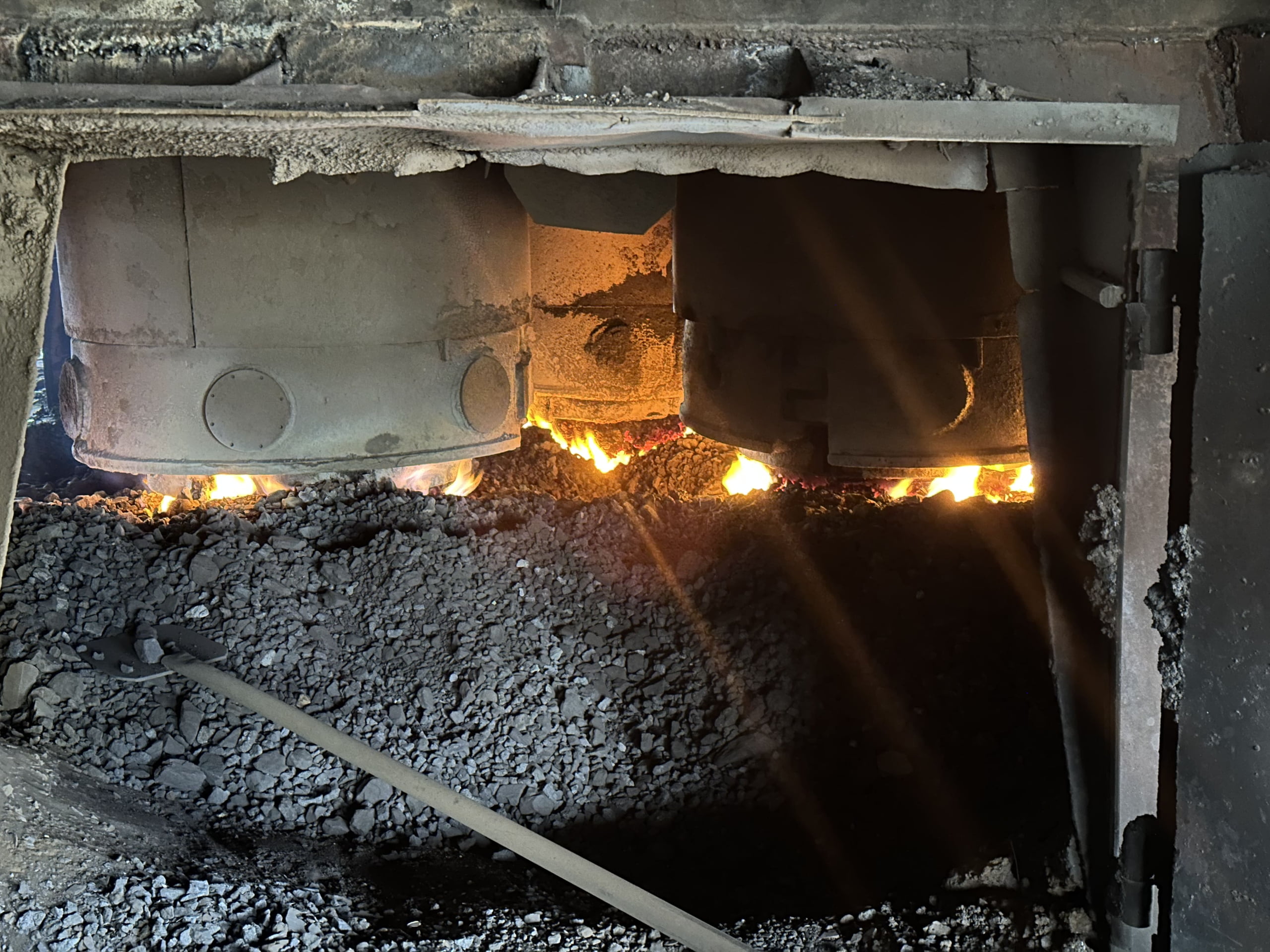
What Are the Best Carbon Blocks for Ferrosilicon Furnaces?
Navigating the procurement of carbon blocks for ferrosilicon furnaces can feel overwhelming. You're facing immense operational pressures to maximize furnace campaign life and efficiency, but the market is flooded with technical data sheets that all seem to promise the world. The agitation comes from knowing that a poor material choice could lead to premature lining failure, costly downtime, and significant production losses. The solution lies not in finding a single "best" block, but in understanding how to match the right material properties to your specific furnace conditions.
The best carbon blocks for ferrosilicon furnaces are those specifically engineered to match the furnace's unique operational parameters, including its size, power input, and production goals. This typically involves selecting semi-graphitic or graphitic carbon blocks with high thermal conductivity, excellent alkali resistance, and low porosity1 to withstand the aggressive chemical and thermal environment of ferrosilicon production.
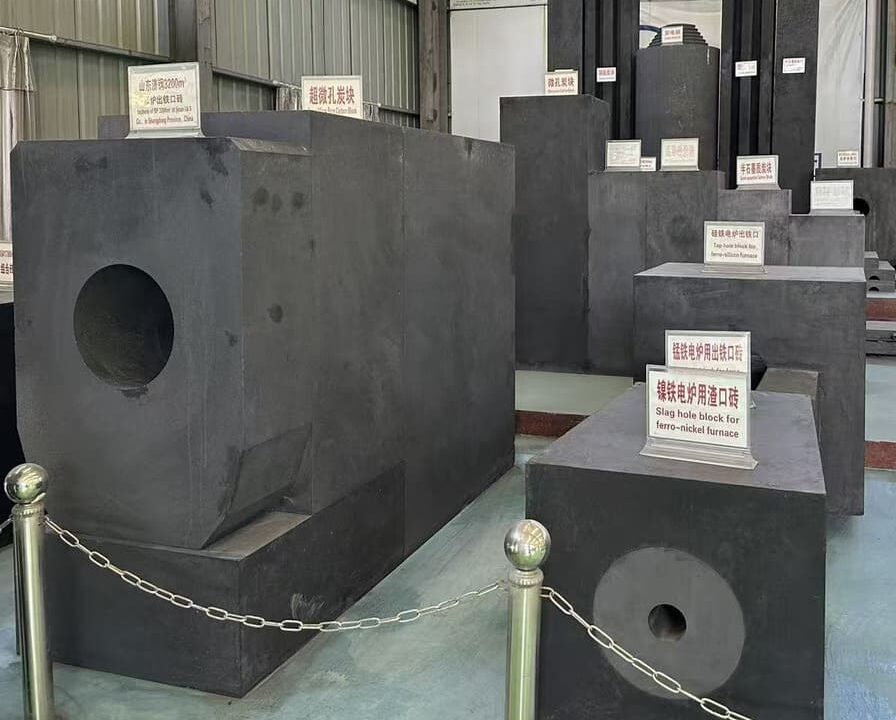
This direct answer is just the starting point. Choosing the right lining is a nuanced process that goes far beyond comparing numbers on a spec sheet. Let's explore the critical factors you need to consider to make a decision that ensures reliability, longevity, and a strong return on your investment.
Why Is There No Single "Best" Carbon Block?
Are you searching for a one-size-fits-all answer to your furnace lining needs? This approach often leads to frustration because the "best" material simply doesn't exist in a vacuum. A carbon block that performs exceptionally in one furnace might fail prematurely in another, leaving you to deal with the operational fallout.
The optimal choice of carbon blocks for ferrosilicon furnaces is highly dependent on your specific operating context. Factors like furnace design, the quality of raw materials used, and even your team's operational practices2 all play a crucial role in how a lining material will perform over its lifetime.
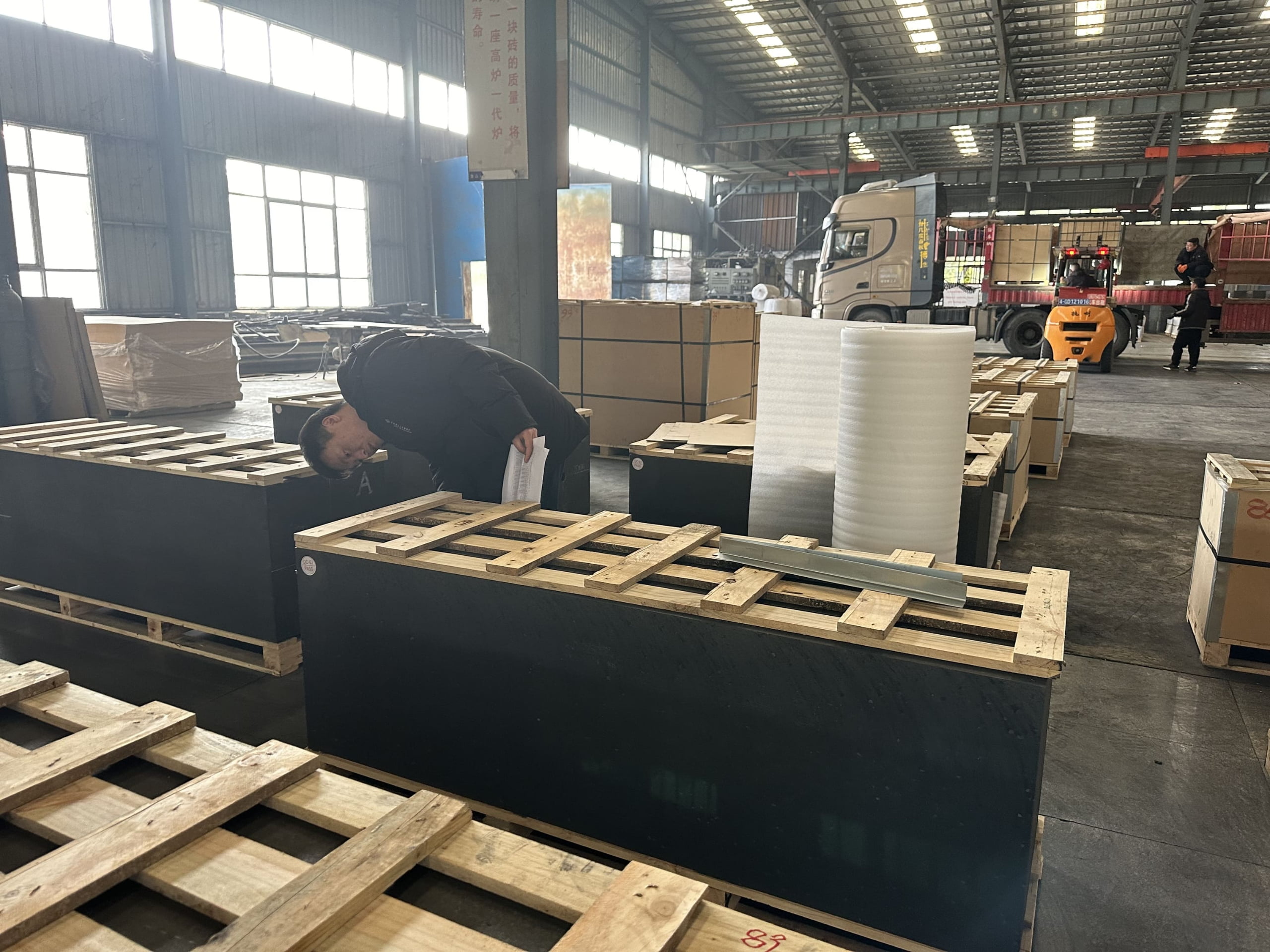
Dive Deeper: The Context-Driven Selection Process
In my experience working with clients from diverse markets—from South Africa to the Middle East—I've seen firsthand how a universal recommendation can backfire. The core issue is that every ferrosilicon furnace operates within a unique ecosystem of variables. What truly matters is understanding how these variables interact with the properties of the carbon block.
Key Furnace-Specific Factors
The selection process must begin with a thorough audit of your furnace's characteristics. Here are the primary considerations:
- Furnace Size and Geometry: A larger furnace, like some of the massive 5800m³ blast furnaces we supply in China, has different thermal gradients and mechanical stress points compared to a smaller one. The shape of the hearth and taphole areas requires blocks with specific properties to handle localized wear.
- Power Input and Electrical Load: Ferrosilicon production is an electrothermal process. Higher power inputs mean greater thermal stress on the lining. The material must have sufficient thermal shock resistance and a thermal conductivity profile that manages heat effectively to prevent overheating and premature degradation.
- Raw Material Quality: The purity of your quartzite, coke, and iron ore directly impacts the chemistry inside the furnace. High levels of alkali metals (like potassium and sodium) are particularly aggressive. They can penetrate the pores of the carbon block, causing swelling, cracking, and eventual structural failure. This is why low-porosity and alkali-resistant carbon blocks are often a key requirement.
- Operational Cycles: Are you running continuous campaigns or do you have frequent startups and shutdowns? Thermal cycling places immense stress on the refractory lining3. A material with a low coefficient of thermal expansion (CTE) is crucial for resisting the cracking that can occur during these temperature swings.
In our customer discussions, we often find that procurement managers are initially focused on finding the lowest price for a block that meets a minimum set of specs. However, after we walk them through these operational factors, the conversation shifts. They begin to see the lining not as a commodity, but as a critical engineered component. A slightly higher upfront investment in a material tailored to their specific alkali load or thermal cycling frequency can prevent millions in lost production and repair costs down the line.
For instance, a recent project for a client in Uzbekistan involved a furnace with a particularly aggressive chemical environment. Instead of simply offering our standard semi-graphitic block, we analyzed their raw material reports. Based on the high alkali content, we recommended a specialized grade with an advanced binder system designed for superior alkali resistance. This consultative approach, rooted in their specific operational reality, is the only way to ensure long-term success.
How Do You Translate Technical Specs into Performance?
You have technical data sheets (TDS) from three different suppliers in front of you. They're filled with numbers for bulk density, porosity, thermal conductivity, and cold crushing strength. The problem is, these numbers feel abstract. How does a 2% difference in porosity actually translate to performance inside a 1600°C furnace?
The key is to move beyond mere data comparison and understand the real-world implications of these specifications. A superior carbon block for ferrosilicon furnaces is one whose technical properties directly mitigate the primary risks associated with your specific operation, ensuring a longer and more reliable campaign life.
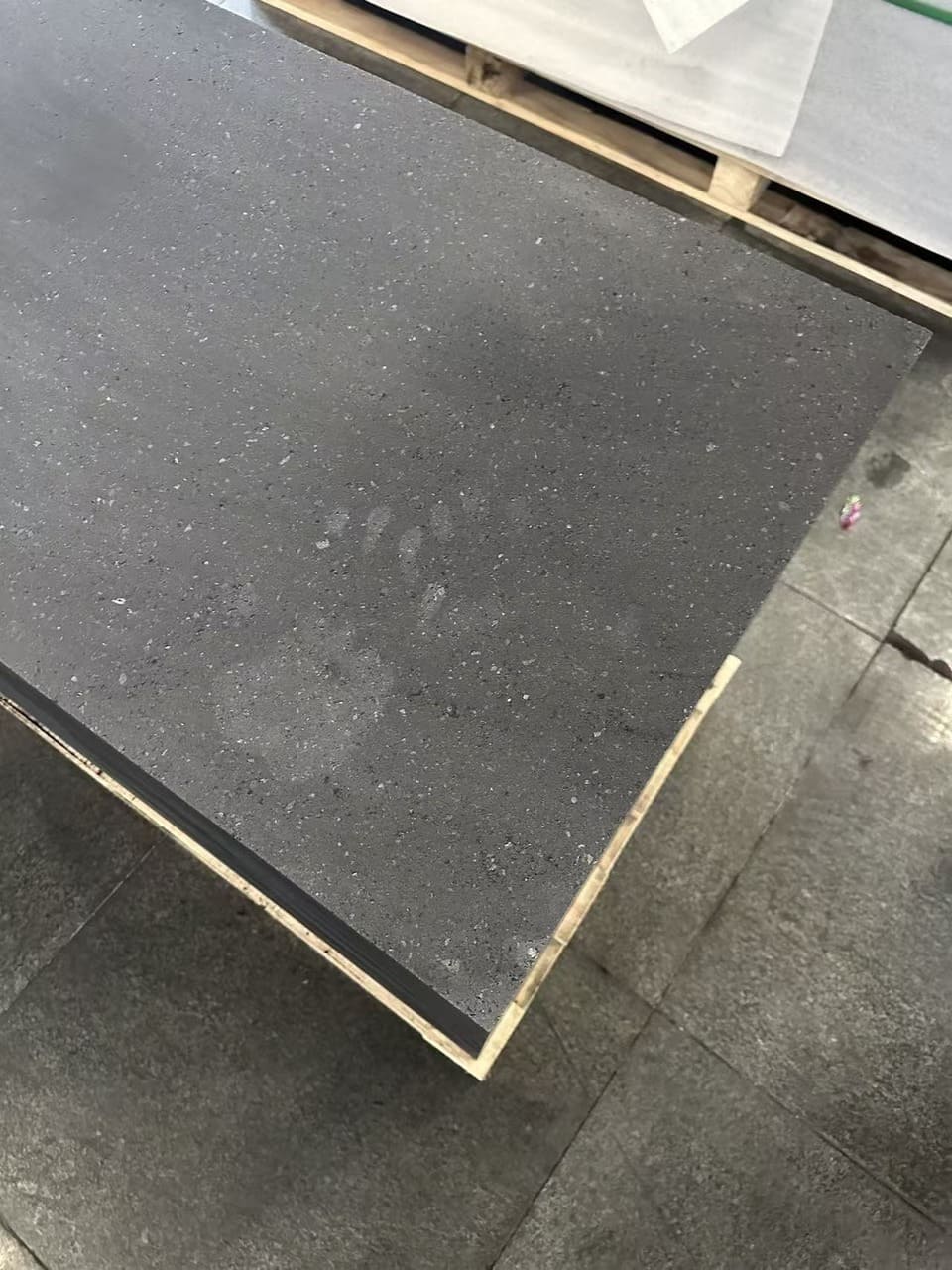
Dive Deeper: From Data Points to Risk Mitigation
When I review a TDS with a potential client, I don't just point out the numbers. I frame them as solutions to specific problems. Let's break down the most critical parameters and what they mean for your furnace's performance and longevity.
Decoding Key Material Properties
| Technical Specification | What It Means Practically | High-Performance Implication |
|---|---|---|
| Apparent Porosity | The volume of open pores in the block. Think of it as a network of highways for aggressive chemicals. | Lower porosity means fewer pathways for alkali vapors and molten metal to penetrate, significantly reducing chemical attack and spalling. |
| Bulk Density | The mass of the material per unit volume. It's an indicator of how tightly the material is packed. | Higher bulk density generally correlates with lower porosity and higher strength, leading to a more robust and wear-resistant lining. |
| Thermal Conductivity | How quickly the material transfers heat. | This is a balancing act. High conductivity is needed to dissipate heat from the hot face and protect the furnace shell, but the profile must be engineered to maintain the "frozen lining" that acts as a self-protecting layer. |
| Cold Crushing Strength (CCS) | The material's ability to resist compressive forces at room temperature. | High CCS indicates a strong, well-bonded structure4 that can withstand the immense mechanical weight of the furnace burden and thermal expansion stresses. |
| Alkali Resistance | A lab-tested measure of how the material holds up to potassium vapor attack. | This is perhaps the most critical spec for ferrosilicon furnaces. Superior alkali resistance directly translates to a longer service life by preventing the catastrophic swelling and cracking caused by alkali infiltration. |
Purchasers often mistakenly believe that "higher is always better" for specs like strength or conductivity. This isn't true. For example, extremely high thermal conductivity might seem beneficial, but it could lead to excessive heat loss and an unstable process if not matched to the furnace's energy balance.
The real art is in balancing these properties. A block with exceptional strength but poor alkali resistance will fail just as surely as one with great chemical resistance but low density. This is where supplier expertise becomes invaluable. At Yaxin Carbon, our status as an ISO 9001 certified manufacturer isn't just a badge; it represents a commitment to process control that allows us to engineer these properties in a balanced way.
Based on project feedback, the most successful furnace campaigns are those where the material selection was a collaborative effort between the plant's technical team and the supplier's engineers. By sharing operational data, we can recommend a product like our semi-graphitic or micro-porous carbon blocks that provides the optimal balance of properties for their specific risk profile.
What Are the Common Pitfalls in Carbon Block Selection?
You've done your research and selected a supplier. The furnace is relined, the campaign begins, but 18 months later, you're facing an unexpected shutdown due to lining failure. What went wrong? The challenge often lies in the gap between theoretical performance and operational reality.
Many procurement decisions are based on assumptions that don't hold up under pressure. Choosing the right carbon blocks for ferrosilicon furnaces requires avoiding common pitfalls, such as overlooking installation quality or prioritizing initial cost over total cost of ownership.
Dive Deeper: Bridging the Gap Between Theory and Reality
Through years of customer consultations and after-sales support, I've seen recurring themes that lead to disappointing outcomes. Understanding these pitfalls is the first step toward mitigating them.
Pitfall 1: Focusing Solely on the Block, Ignoring the System
A carbon block is only as good as the system it's part of. This includes the ramming paste, the installation quality, and the initial pre-heating (curing) process.
- Ramming Paste Incompatibility: The ramming paste used to fill the joints between blocks must be chemically and thermally compatible with the blocks themselves. A mismatch can create weak points that become the initial sites of failure. I've seen cases where a client invested in premium, low-porosity carbon blocks but used a generic, high-porosity ramming paste. The aggressive alkali vapors bypassed the blocks and attacked the lining through these joints, completely negating the benefit of the expensive blocks.
- Poor Installation: Proper installation is non-negotiable5. Gaps between blocks, improper bricklaying patterns, or damage to the blocks during handling can all compromise the integrity of the entire lining. We always recommend that clients use experienced installation crews and follow the supplier's guidelines meticulously.
- Incorrect Curing: The initial heat-up schedule is critical for driving out moisture and setting the carbonaceous binders in the ramming paste. Rushing this process can lead to spalling or cracking before the furnace even reaches full production.
Pitfall 2: The "Lowest Price" Trap
It's tempting to choose the supplier with the lowest quote. However, the initial purchase price of the carbon blocks for ferrosilicon furnaces is often a small fraction of the total cost of ownership.
Consider this scenario based on real project feedback:
- Supplier A: Offers blocks at $2,000/ton. Expected lining life is 2 years.
- Supplier B: Offers higher-grade, tailored blocks at $2,500/ton. Expected lining life is 4 years.
Choosing Supplier A saves $50,000 on a 100-ton order upfront. But over four years, you'll need to buy from them twice and pay for a complete reline—including labor, demolition, and weeks of lost production—an extra time. The cost of that lost production alone can dwarf the initial savings many times over. The smart choice is to evaluate the cost per ton of ferrosilicon produced over the entire campaign life6, not the cost per ton of the carbon block.
Pitfall 3: Misinterpreting Supplier Certifications
Seeing an ISO 9001 certification is a good start, but it's not a guarantee of application-specific expertise. This certification confirms that a supplier has a documented quality management system. It doesn't confirm that their carbon blocks for ferrosilicon furnaces are suitable for your furnace.
When evaluating suppliers, ask them to provide case studies or references from clients with furnaces similar to yours. A truly experienced supplier, like us at Yaxin Carbon with our history in over 500 blast furnaces, can speak not just about product features, but about project outcomes.
Frequently Asked Questions
What is the difference between semi-graphitic and graphitic carbon blocks?
Semi-graphitic blocks offer a balanced profile of good thermal conductivity and mechanical strength at a moderate cost. Graphitic blocks, having undergone higher-temperature treatment, provide superior thermal conductivity and excellent thermal shock resistance, but typically at a higher price point. The choice depends on the specific thermal load and budget of your furnace.
How important is the porosity of carbon blocks for a ferrosilicon furnace?
Porosity is extremely important. The ferrosilicon process generates significant amounts of alkali vapors (potassium, sodium) that can penetrate porous refractory materials. This infiltration leads to chemical reactions that cause the blocks to swell, crack, and fail. Low-porosity or micro-pore carbon blocks for ferrosilicon furnaces are essential for long-term durability.
Can I extend the life of my furnace lining?
Yes. Extending lining life starts with selecting the right material tailored to your operational conditions. Beyond that, proper installation, a carefully controlled heat-up schedule, and stable furnace operation are key. Regularly analyzing raw material chemistry to monitor alkali loads can also help you anticipate and manage lining wear more effectively.
What should I look for in a supplier besides a good price?
Look for a supplier with proven experience in your specific application. Ask for case studies, performance data from similar furnaces, and client references. A reliable partner will act as a consultant, helping you analyze your operational risks and select the optimal material, rather than just selling you a product. Their technical support during installation is also a valuable asset.
Conclusion
Choosing the right carbon blocks for ferrosilicon furnaces is not about finding a single "best" product, but about engaging in a thoughtful selection process. Success depends on a deep understanding of your furnace's unique operating environment, translating abstract technical data into real-world performance expectations, and avoiding common pitfalls like prioritizing initial cost over long-term value. By viewing the furnace lining as a complete system and partnering with a supplier who brings application-specific expertise, you can mitigate operational risks and secure a longer, more productive furnace campaign.
At Yaxin Carbon, we specialize in helping our clients navigate this complex process. With our extensive experience and certified production capabilities, we can help you select and implement the ideal carbon block solution for your furnace.
If you're ready to move beyond generic solutions and find a lining material truly optimized for your needs, contact our technical team today for a consultation.
"Ferroalloy submerged arc furnace: a solution to the ...", https://www.chnzbtech.com/ferroalloy-submerged-arc-furnace-a-solution-to-the-temperature-rise-and-redness-at-the-bottom-of-the-furnace.html. Studies on refractory materials for ferrosilicon furnaces indicate that semi-graphitic and graphitic carbon blocks exhibit high thermal conductivity, alkali resistance, and low porosity, making them suitable for aggressive chemical and thermal environments. However, performance may vary depending on furnace-specific conditions. Evidence role: general_support; source type: research. Supports: The suitability of semi-graphitic and graphitic carbon blocks for ferrosilicon furnaces based on their material properties.. Scope note: Performance data may depend on specific furnace designs and operational parameters. ↩
"Refractory Lining - an overview | ScienceDirect Topics", https://www.sciencedirect.com/topics/engineering/refractory-lining. Educational resources on refractory engineering highlight that furnace design, raw material purity, and operational practices are critical factors affecting the durability and performance of carbon blocks in high-temperature environments. Evidence role: mechanism; source type: education. Supports: The influence of furnace design, raw material quality, and operational practices on the performance of carbon blocks.. Scope note: Specific examples for ferrosilicon furnaces may not be included. ↩
"Thermal Stress Analysis of Blast Furnace Hearth with ...", https://www.mdpi.com/2227-9717/11/2/531. Studies on refractory materials confirm that thermal cycling induces stress due to temperature fluctuations, which can lead to cracking and reduced lining durability. Evidence role: mechanism; source type: research. Supports: The role of thermal cycling in causing stress and cracking in refractory linings.. Scope note: Specific data for ferrosilicon furnaces may not be included. ↩
"What is Cold Crushing Strength – CCS of Refractory Bricks", https://www.ravaniceramics.com/blog/what-is-cold-crushing-strength-ccs-of-refractory-bricks/. Material science research identifies Cold Crushing Strength (CCS) as a key metric for evaluating the compressive strength and thermal expansion resistance of refractory materials. Evidence role: statistic; source type: research. Supports: The importance of CCS in determining the compressive strength and durability of refractory materials.. Scope note: May not address specific CCS values for ferrosilicon furnace applications. ↩
"The Importance of Proper Installation Techniques ...", https://pennekamp-me.ae/the-importance-of-proper-installation-techniques-for-refractory-products/. Educational resources on refractory engineering stress that proper installation is essential to maintain the integrity and performance of furnace linings. Evidence role: general_support; source type: education. Supports: The critical role of proper installation in ensuring refractory lining integrity.. Scope note: Specific installation practices for ferrosilicon furnaces may not be included. ↩
"How to Calculate Refractory Consumption per ton steel ...", https://www.facebook.com/ismail.saad.18/posts/how-to-calculate-refractory-consumption-per-ton-steelrefractory-consumption-per-/26700845432951516/. Economic studies in industrial engineering recommend evaluating cost per ton of production over the campaign life as a more accurate metric for assessing refractory material value. Evidence role: general_support; source type: education. Supports: The importance of evaluating cost per ton of production over the campaign life for refractory materials.. Scope note: Specific examples for ferrosilicon furnaces may not be detailed. ↩