

Comprehensive Technical Guide
Cold Ramming Paste
The Complete Guide
From material composition to aluminum smelting and blast furnace applications — everything engineers, procurement managers, and metallurgists need to know about cold ramming paste, its grades, specifications, and performance criteria.
Scroll
Bulk Density (g/cm³)
Moisture Content
Eco-Friendly Binder
Years Experience
Section 01
What Is Cold Ramming Paste?
Cold ramming paste is a carbonaceous monolithic refractory material that is supplied ready-to-use and applied at ambient temperature -- without the requirement for pre-heating before installation. It is composed primarily of electrically calcined anthracite, graphite, modified pitch or eco-friendly resin binders, and various additives engineered to deliver specific thermal, mechanical, and chemical-resistance properties.
The term "cold" distinguishes it from hot ramming paste, which requires heating to 80-120 °C to achieve workable plasticity. Cold ramming paste achieves the necessary plasticity through advanced formulation -- typically using liquid or semi-liquid binders combined with plasticizers -- making it not only safer and more convenient to handle on the job site, but also significantly reducing toxic fumes (low-PAH emissions) during application.
In modern aluminum smelting and blast furnace applications, cold ramming paste is most widely used to fill the gaps between pre-formed carbon blocks (such as cathode joints in aluminum reduction cells or hearth linings in blast furnaces). It acts as a monolithic jointing material that, after sintering during furnace heat-up, becomes an integral, leak-proof part of the lining system.
Key Advantages at a Glance
- Ready-to-use at ambient temperature (no pre-heating)
- High post-sintering density and mechanical strength
- Low-PAH emissions for improved EHS compliance vs. hot paste
- Controlled baking expansion for seamless, leak-proof joints
- Compatible with all major carbon block grades
- Superior resistance to molten metal, slag, and cryolite penetration
- Excellent adhesion to carbon block surfaces
- Formulations available for varying thermal conductivity
Section 02
Raw Materials & Composition
The performance of cold ramming paste is fundamentally governed by the quality and proportion of its raw materials. Understanding the composition allows engineers to match the paste grade precisely to the demands of a given furnace zone.
Electrically Calcined Anthracite (ECA)
The primary aggregate. ECA provides the carbon matrix with high density, low porosity, and resistance to oxidation. Calcination temperatures exceeding 1800 °C drive off volatiles and enhance thermal stability.
Graphite
Natural or synthetic graphite is added to improve thermal conductivity, lubricity, and workability. Higher graphite content correlates with better heat dissipation but may affect mechanical strength.
Modified Pitch & Eco-Binders
Advanced modified pitches serve as the binding medium. These controlled softening point binders enable ambient-temperature workability. During sintering, the pitch carbonizes to form additional strong carbon bonding.
Plasticizers & Additives
Eco-friendly solvents, specialized plasticizers, and proprietary additives adjust consistency, improve paste flow under ramming pressure, and tightly control the sintering shrinkage profile.
Fine Carbon Filler
Carbon black or coke fines fill void spaces in the aggregate matrix, increasing packing density and reducing porosity in the sintered body -- critical for resistance against alkali, cryolite, and molten metal penetration.
Silicon Carbide (Optional)
Premium grades incorporate SiC additions to improve oxidation resistance, thermal shock resistance, and wetting behavior -- particularly valuable in blast furnace hearths and highly corrosive metallurgical zones.
Section 03
Types & Grades of Cold Ramming Paste
Cold ramming paste is available in several distinct grades, each optimized for specific positions within blast furnaces and aluminum reduction cells. Selecting the correct grade is critical to achieving target thermal management, minimizing premature wear, and maximizing overall campaign life.
Standard Anthracite-Based Cold Ramming Paste
Formulated predominantly from ECA aggregate with an advanced modified binder. Offers a balanced combination of density, porosity, and mechanical strength. This is the workhorse grade for general hearth bottom filling in blast furnaces and standard cathode joints in aluminum cells.
Semi-Graphitic Cold Ramming Paste
Blends ECA with 20-35% graphite to achieve significantly improved thermal conductivity. This grade supports effective heat extraction through the furnace shell -- a key strategy in maintaining the protective "frozen layer" (iron skull or cryolite ledge) that shields the carbon lining from excessive wear.
Full Graphitic Cold Ramming Paste
Utilizes high-purity synthetic or natural graphite as the primary aggregate (>50% graphite content). Delivers maximum thermal conductivity and lubricity, ideal for ultra-large blast furnaces (≥4,000 m³) and high-amperage aluminum reduction cells where superior heat management is paramount to campaign life extension.
Microporous Cold Ramming Paste
Engineered with a tightly controlled pore-size distribution (<1 μm median) that physically restricts molten metal, cryolite, and alkali penetration. Formulated with functional additives that promote ultra-dense, impermeable microstructure formation upon high-temperature sintering.
SiC-Enhanced Cold Ramming Paste
Incorporates premium silicon carbide (SiC) within the carbon matrix to drastically enhance oxidation resistance, thermal shock stability, and resistance to molten metal and slag wetting. Ideal for severe-wear areas requiring exceptional longevity.
Explore Our Full Product Range
Each grade is available in multiple consistency classifications (soft / medium / stiff) to match your ramming equipment and joint geometry.
Section 04
Technical Specifications
The following table presents typical specification parameters for cold ramming paste grades. Values are indicative of as-sintered properties unless otherwise noted. Detailed test reports and third-party certification are available upon request.
| Property | Standard | Semi-Graphitic | Microporous | SiC-Enhanced |
|---|---|---|---|---|
| Fixed Carbon (%) | ≥82 | ≥85 | ≥83 | ≥78 |
| Ash Content (%) | ≤8 | ≤6 | ≤7 | ≤10 |
| Moisture Content (%) | ≤0.5 | ≤0.5 | ≤0.5 | ≤0.5 |
| Bulk Density (g/cm³) | ≥1.55 | ≥1.50 | ≥1.60 | ≥1.58 |
| Apparent Porosity (%) | ≤18 | ≤16 | ≤13 | ≤15 |
| Cold Crushing Strength (MPa) | ≥25 | ≥22 | ≥28 | ≥30 |
| MOR at RT (MPa) | ≥5 | ≥4.5 | ≥6 | ≥8 |
| Thermal Conductivity at 600°C [W/(m·K)] | ≥5 | ≥8 | ≥6 | ≥7 |
| Linear Change After Sintering (%) | -1.0 ~ +0.5 | -0.8 ~ +0.5 | -0.8 ~ +0.3 | -0.5 ~ +0.5 |
* All sintered properties measured after treatment at 1000 °C in nitrogen atmosphere. Values are typical and subject to grade customization. Contact our technical team for project-specific data sheets.
Section 05
Applications & Use Cases
Cold ramming paste is a versatile monolithic material deployed across multiple zones and industries wherever carbon lining integrity is critical to process efficiency and safety.
Blast Furnace Hearth Lining
The most critical application. Cold ramming paste fills the construction joints between large carbon blocks in the hearth bottom and sidewalls of the blast furnace. After sintering, the paste becomes monolithic with the blocks -- eliminating pathways for iron infiltration that could cause catastrophic lining failure.
Proper joint geometry (typically 3-10 mm width), paste grade selection, and ramming technique are all essential to achieving an impermeable hearth system capable of 10+ year campaign life.
Taphole Block Surrounds
The taphole area is the most thermally and mechanically stressed zone of the hearth. Cold ramming paste (typically SiC-enhanced or semi-graphitic grade) is used to bed and surround the taphole block assembly, ensuring gas-tight sealing and mechanical support during repeated tapping and plugging cycles. The paste must withstand extreme thermal cycling without cracking or delaminating.
Subhearth & Foundation Sealing
Between the carbon bottom and the concrete subhearth foundation, cold ramming paste provides a compliant, thermally conductive layer that accommodates differential thermal expansion, seals against gas migration, and ensures even load distribution. This layer is critical for protecting the concrete foundation from thermal degradation.
Electric Arc Furnace (EAF) Carbon Linings
Cold ramming paste is used in EAF bottom lining systems as a bedding and jointing material for carbon and graphite blocks. The lower thermal cycling frequency compared to blast furnaces makes standard or semi-graphitic grades appropriate for most EAF applications.
Aluminum Reduction Cells (Pot Lining)
In primary aluminum smelting, cold ramming paste (often referred to in this context as cathode paste or ramming mix) is used to fill the peripheral seams and joints between the cathode blocks of electrolytic cells.
Submerged Arc Furnaces (SAF)
Used in the production of ferroalloys, silicon, and calcium carbide, SAFs rely on cold ramming paste for carbon lining joints in the hearth and sidewall areas. The paste must resist silica reduction products and maintain structural integrity under chemically aggressive slag environments.
Section 06
Installation & Construction Guidelines
Correct installation is as important as material quality. Even the highest-specification cold ramming paste will underperform if applied incorrectly. The following guidelines represent established best practice for critical carbon lining systems.
Pre-Installation
- → Verify paste consistency grade matches joint width and ramming equipment capability
- → Clean all carbon block surfaces; remove dust, oil, and moisture
- → Bring paste to application temperature (15-35 °C); cold paste increases required ramming force
- → Inspect joint geometry; ensure design gap width is consistent (±1 mm tolerance)
During Installation
- → Apply paste in layers ≤50 mm depth; ram each layer thoroughly before adding the next
- → Use pneumatic or electric rammers; hand ramming is insufficient for dense joints
- → Ensure 100% joint fill -- any voids become pathways for iron penetration
- → Protect applied paste from rain and contamination until enclosure is complete
Sintering & Heat-Up
- → Follow furnace heat-up curve to allow controlled binder volatile release (150-400 °C zone)
- → Avoid rapid temperature rise through the plastic deformation zone (300-600 °C)
- → Full sintering and carbonization of binder occurs above 900 °C
- → Do not quench or rapid-cool the hearth after sintering is complete
Storage & Shelf Life
- → Store in sealed containers at 5-35 °C; avoid direct sunlight and freezing
- → Typical shelf life: 6-12 months from manufacturing date
- → FIFO stock rotation recommended; test consistency of stored paste before use
- → Re-test paste that has been stored >9 months before authorizing for critical applications
Section 07
Cold vs. Hot Ramming Paste
The choice between cold and hot ramming paste is a fundamental engineering decision with implications for quality, safety, logistics, and campaign performance. Understanding the differences enables procurement and construction teams to make the optimal selection.
| Factor | Cold Ramming Paste | Hot Ramming Paste |
|---|---|---|
| Application Temperature | Ambient (15-35 °C) | 80-120 °C |
| Equipment Required | Standard rammers | Heating equipment + rammers |
| Occupational Safety | Lower risk -- eco-friendly, no toxic fumes | Higher risk -- emits toxic PAHs, burn hazard |
| Workability Window | Extended (hours) | Limited (must work quickly) |
| Post-Sinter Density | Slightly lower | Slightly higher |
| Logistical Complexity | Low -- ship and store as-is | Medium -- requires heating on site |
| Suitability for Cold Climates | Requires indoor pre-warming | High risk of rapid cooling & hardening |
| Industry Trend | Growing adoption | Declining in new projects |
Industry Verdict: Cold ramming paste has become the preferred choice for new blast furnace construction globally, owing to its superior safety profile, logistical simplicity, and consistent quality. Hot ramming paste remains in use primarily for maintenance and repair applications where its higher initial density provides a narrow advantage.
Section 08
Quality Control & Testing
Rigorous quality control -- from raw material incoming inspection to finished product release testing -- is essential to ensure cold ramming paste performs reliably across the full campaign life of the furnace.
Incoming Raw Material
Fixed carbon, ash, volatile matter, sulfur, particle size distribution, and moisture tested for each incoming batch of ECA and graphite
In-Process Control
Mixing uniformity, binder dispersion, consistency (penetrometer), and batch-to-batch reproducibility verified during production
Finished Product Release
Full sintered property testing per batch: density, porosity, CCS, MOR, thermal conductivity, and dimensional stability before shipment approval
Standard Test Methods
Section 09
How to Select the Right Grade
No single grade of cold ramming paste is optimal for every situation. Use the decision framework below to narrow down your selection, then consult with our technical engineers for final specification confirmation.
Define the Furnace Zone
Hearth bottom joints → Standard or Microporous grade. Taphole surrounds → SiC-Enhanced. Upper sidewall → Semi-graphitic. If the entire hearth requires high thermal conductivity for freeze-lining strategy → Full Graphitic.
Assess Alkali Load
High-coke-rate furnaces or those using high-alkali burden materials face greater lining attack. Microporous grade with ≤13% apparent porosity is strongly recommended to limit alkali infiltration paths.
Match to Carbon Block Grade
Paste thermal conductivity should be within ±20% of the adjacent carbon block. A large mismatch creates a thermal interface resistance that disrupts the temperature profile and invalidates the lining design model.
Consider Joint Width & Ramming Equipment
Narrow joints (< 20 mm) require a softer consistency and finer aggregate to prevent bridging. Wide joints (> 30 mm) combined with high-impact rammers benefit from standard/stiffer formulations to maximize compacted density. Specify the consistency classification (S / M / H) alongside the grade.
Review Environmental & Regulatory Requirements
Certain regions impose limits on PAH (polycyclic aromatic hydrocarbon) content in tar-pitch-bound refractories. Low-PAH or pitch-alternative binder grades are available for projects requiring compliance with EU REACH, OSHA, or equivalent regulations.
Not Sure Which Grade to Choose?
Our technical team has supported over 200 industrial furnace lining projects worldwide. Share your furnace parameters and we will recommend the optimal cold ramming paste specification within 24 hours.
Section 10
Frequently Asked Questions
What is the difference between cold ramming paste and taphole clay?
Cold ramming paste is a carbon-based lining material used for permanent joint filling during furnace construction. Taphole clay (mud) is a specialized, consumable refractory compound used temporarily to plug and seal the taphole during and between tapping operations. They serve entirely different functions and are not interchangeable.
How long does cold ramming paste take to sinter?
Sintering is not instantaneous -- it occurs progressively during the furnace heat-up campaign. As temperatures rise, the binder initially polymerizes and cures, followed by volatile release starting around 200-400 °C, and full carbonization of the binder to a rigid carbon matrix is achieved above 900-1000 °C. The heat-up rate through these critical temperature ranges should follow the manufacturer's recommended schedule.
Can cold ramming paste be used for furnace repairs during operation?
Cold ramming paste is primarily a construction material for new linings or major relining projects requiring furnace shutdown. For in-campaign repairs of the hearth exterior or emergency sealing of suspected leaks without shutdown, different products (injectable resins, grouting compounds, or gunning mixes) are typically used. Consult our technical team for repair-specific product recommendations.
What is the minimum order quantity (MOQ)?
MOQ varies by grade and project scale. Standard grades are typically available from 5 metric tons per order for sampling/trials, with full project quantities from 20 MT. Custom formulations may have higher MOQ due to dedicated batch production requirements. Contact our sales team for a project-specific quotation.
Does cold ramming paste comply with environmental regulations?
Standard coal tar pitch-based cold ramming paste contains PAHs, which are regulated under EU REACH, OSHA 29 CFR 1910.1002, and equivalent regulations. We offer low-PAH formulations and pitch-alternative (resin-bonded or petroleum-based) grades specifically developed for projects requiring compliance with these regulations. SDS sheets, PAH content declarations, and REACH compliance documentation are available upon request.
How is cold ramming paste packaged and shipped?
Standard packaging is in 20-25 kg PE-lined woven bags or pre-pressed blocks, which are then palletized and stretch-wrapped to prevent agglomeration during transit. All shipments include lot-traceable certificates of compliance, test reports, and safety data sheets. Export packing for sea freight features moisture-barrier inner linings for extended transit.
Can you supply both cold ramming paste and carbon blocks for a complete lining system?
Yes. We are a vertically integrated manufacturer producing both carbon blocks (semi-graphitic, graphitic, microporous, ultra-microporous, and high-thermal-conductivity grades) and cold ramming paste. Sourcing both from a single supplier ensures material compatibility, eliminates interface risks, simplifies procurement, and provides unified technical support and warranty coverage for the entire lining system.
Complete Lining System
Paired Carbon Block Products
Cold ramming paste is most effective when specified alongside compatible carbon block grades. Explore our full hearth lining portfolio -- all products engineered for system-level performance, not individual components.
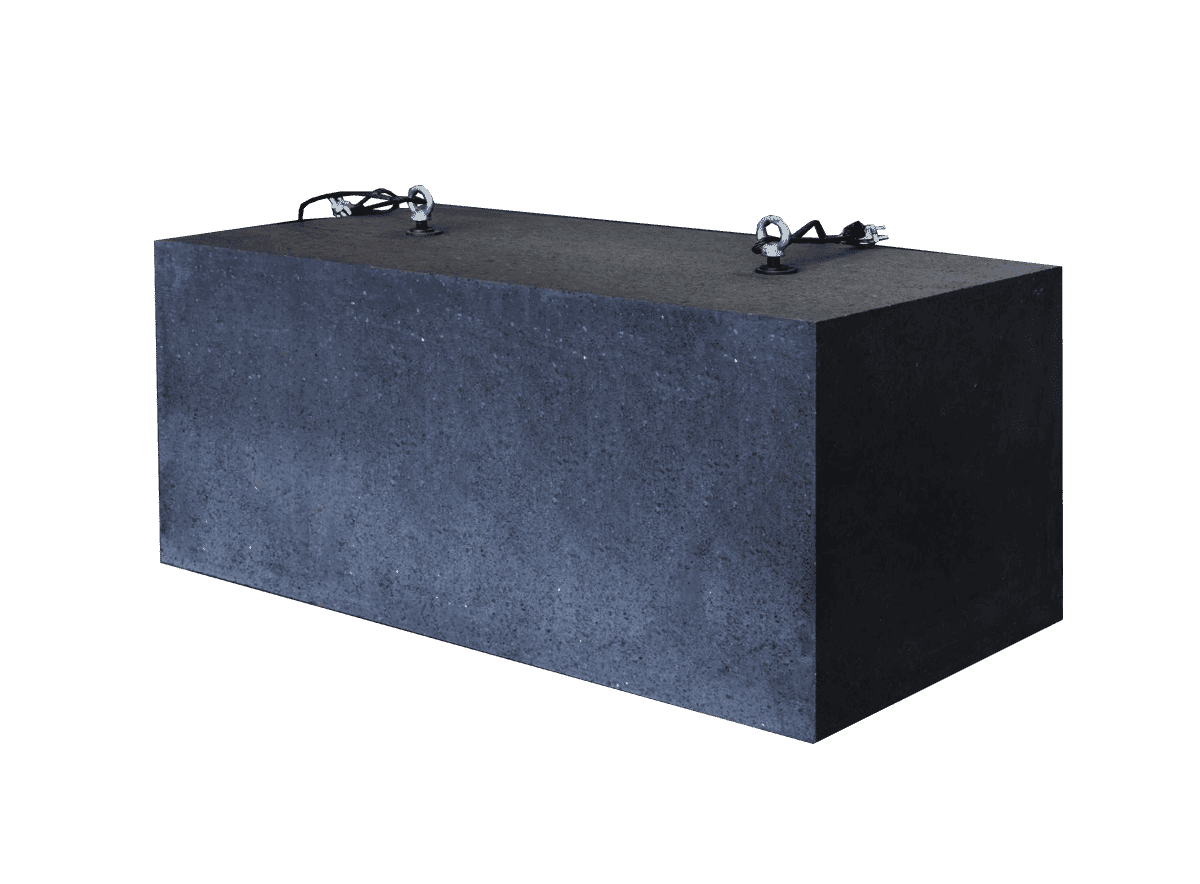
Carbon Block
Semi-Graphitic Carbon Block
Balanced thermal conductivity and mechanical strength for medium-sized blast furnace hearth sidewalls and bottoms.

Carbon Block
Microporous Carbon Block
Sub-micron pore structure that physically blocks molten iron and alkali penetration -- the preferred choice for long-campaign hearth linings.

Carbon Block
High-Thermal-Conductivity Graphitic Block
Maximum thermal conductivity for freeze-lining protection strategies in ultra-large blast furnaces exceeding 4,000 m³ working volume.
Get in Touch
Request a Quote or
Technical Consultation
Whether you are specifying cold ramming paste for a new furnace project, a major relining, or an R&D evaluation, our technical sales team will respond within 24 business hours with grade recommendations, indicative pricing, and available certifications.
Technical Data Sheets
Full specification sheets and sintered property test reports provided with every quotation
Trial Samples Available
Small-quantity samples for laboratory evaluation available on request before full project commitment
24-Hour Response
Technical and commercial responses guaranteed within one business day for all qualified inquiries
Certifications & Standards
ISO 9001:2015 certified manufacturing. Products tested to GB, YB, and ISO standards.
ISO 9001
Quality Management
GB/T 3074
Carbon Testing Standard
REACH
Compliance Options
ISO 12987
Thermal Conductivity